We Are United by Memory

From 22 to 24 April 2026, ceremonies marking the Day of Remembrance of the Holocaust and the Prevention of Crimes Against Humanity were held at the Museum and Memorial Site in Sobibor. The event, organised in cooperation with the Polish-German Reconciliation Foundation, brought together several dozen students from Poland, Germany, and the Netherlands. The commemoration was both educational and reflective, combining a lecture session, a study visit, and memorial ceremonies. Its aim was not only to present the history of the Holocaust, but also to foster awareness and responsibility in the face of contemporary threats.

Lecture and Commemoration

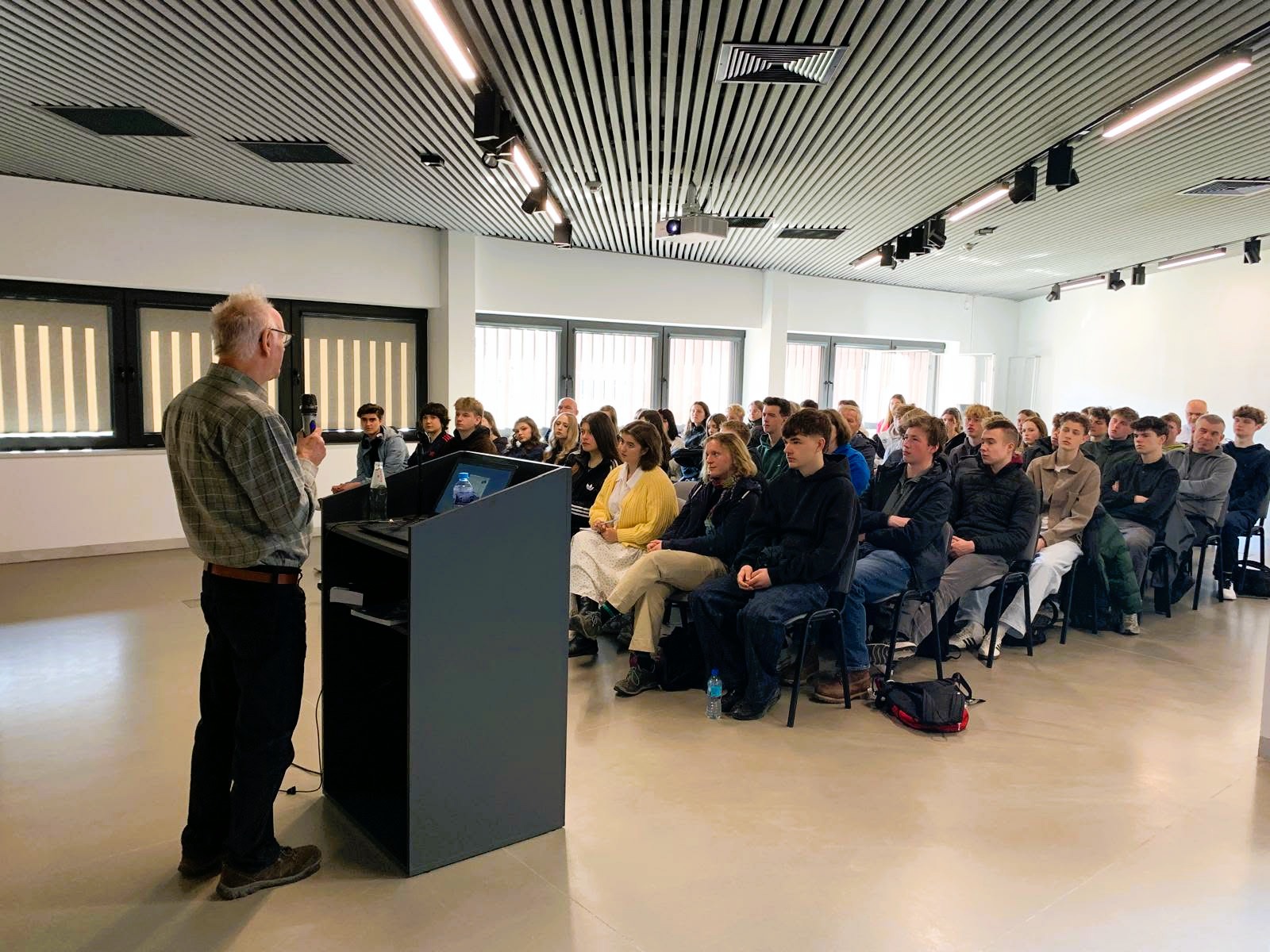
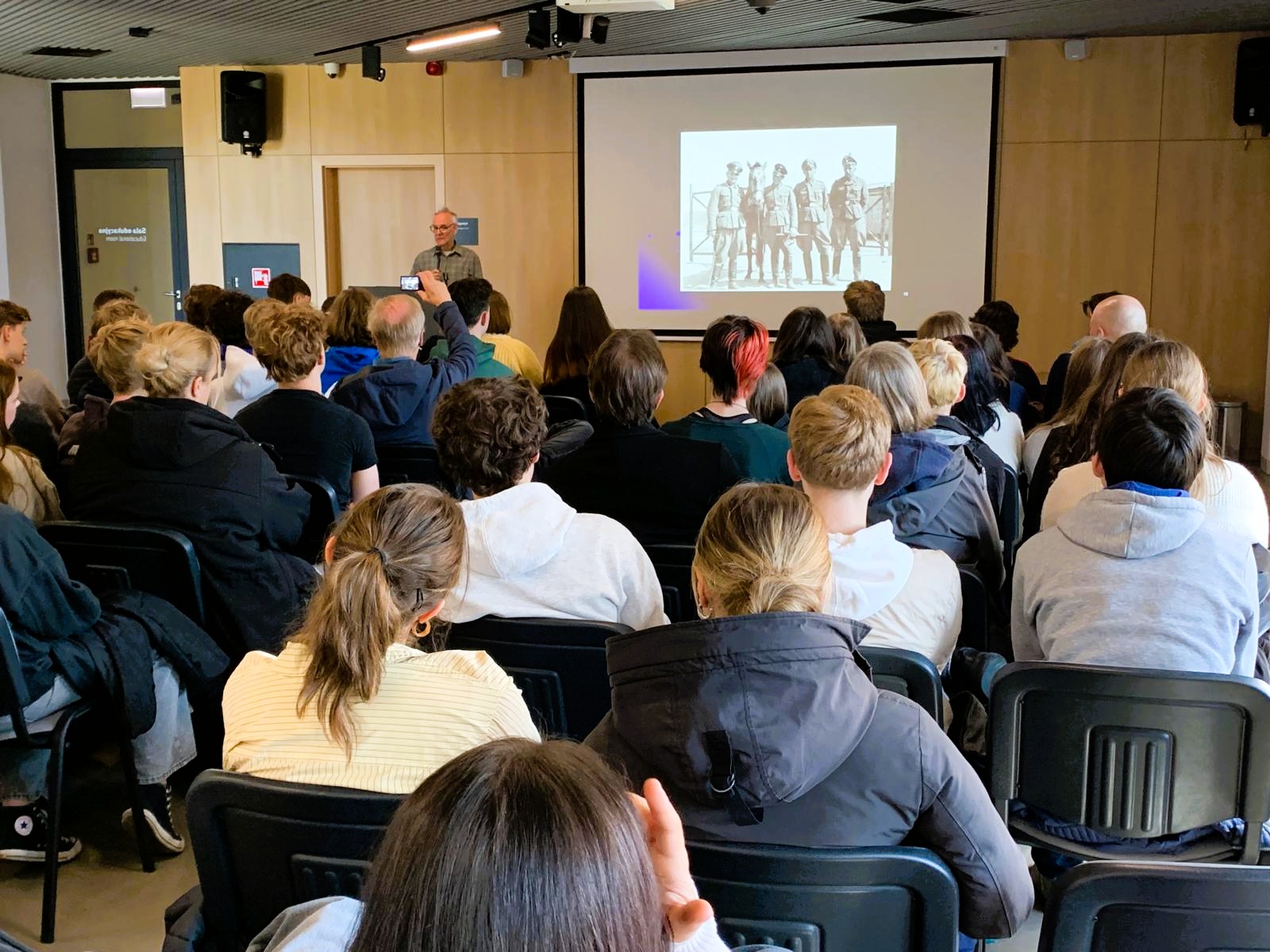
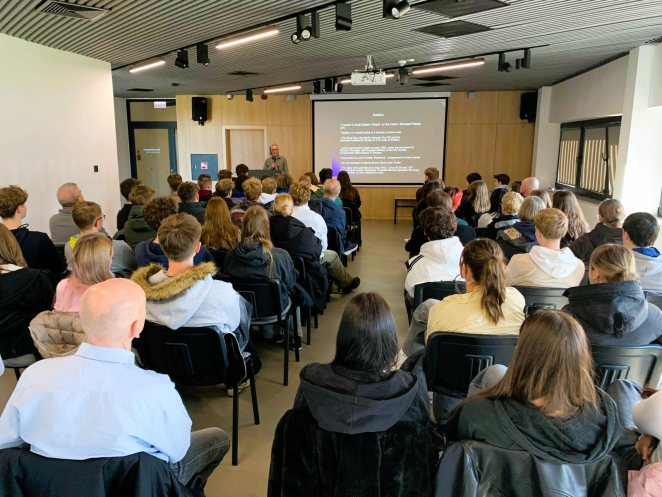
The programme began with a lecture by British historian Chris Webb, who presented the history of the SS-Sonderkommando Sobibor and shared the latest findings from his research. The meeting served as an important introduction to further educational activities, illustrating the mechanisms by which the German extermination camp operated.

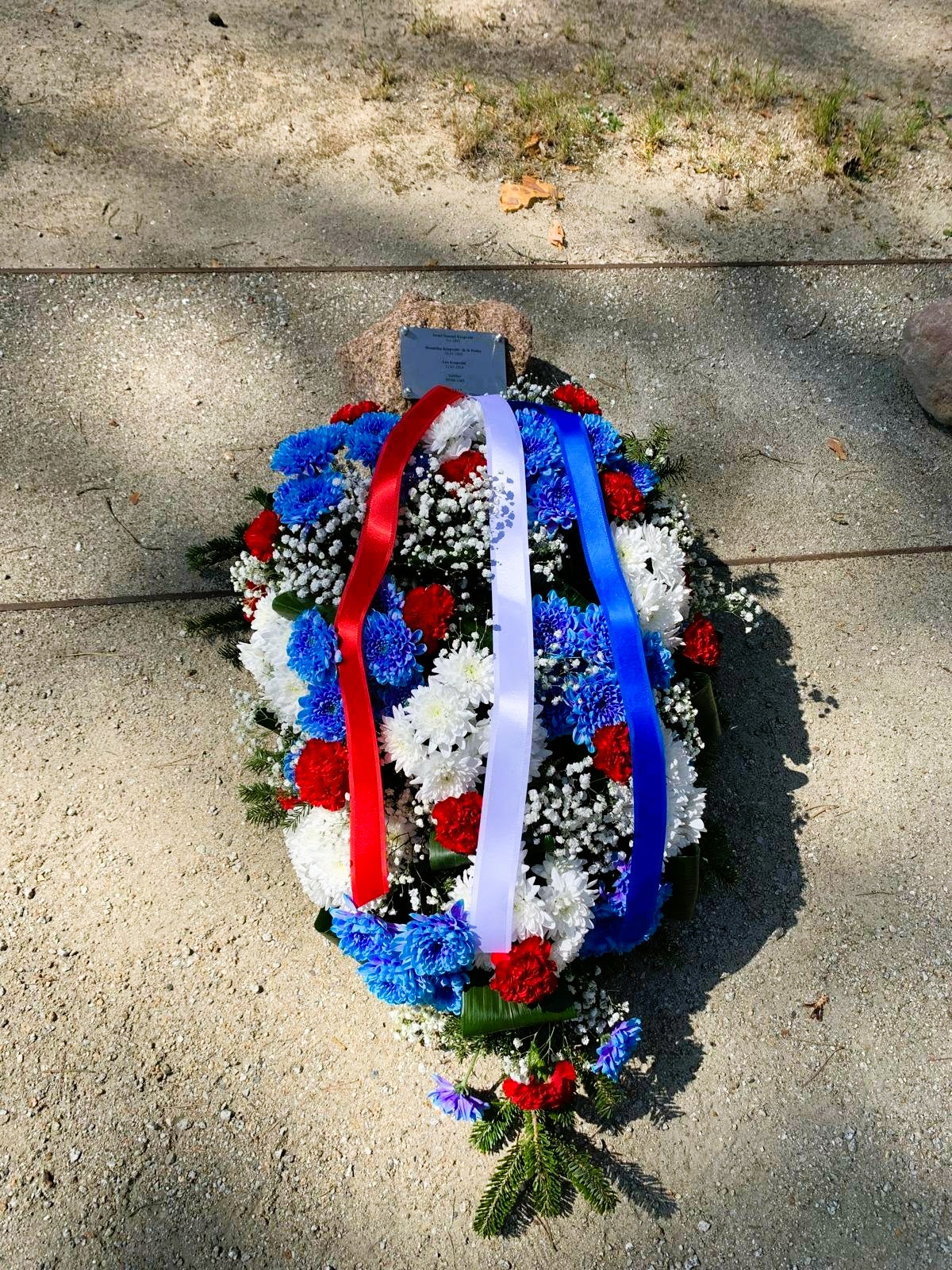
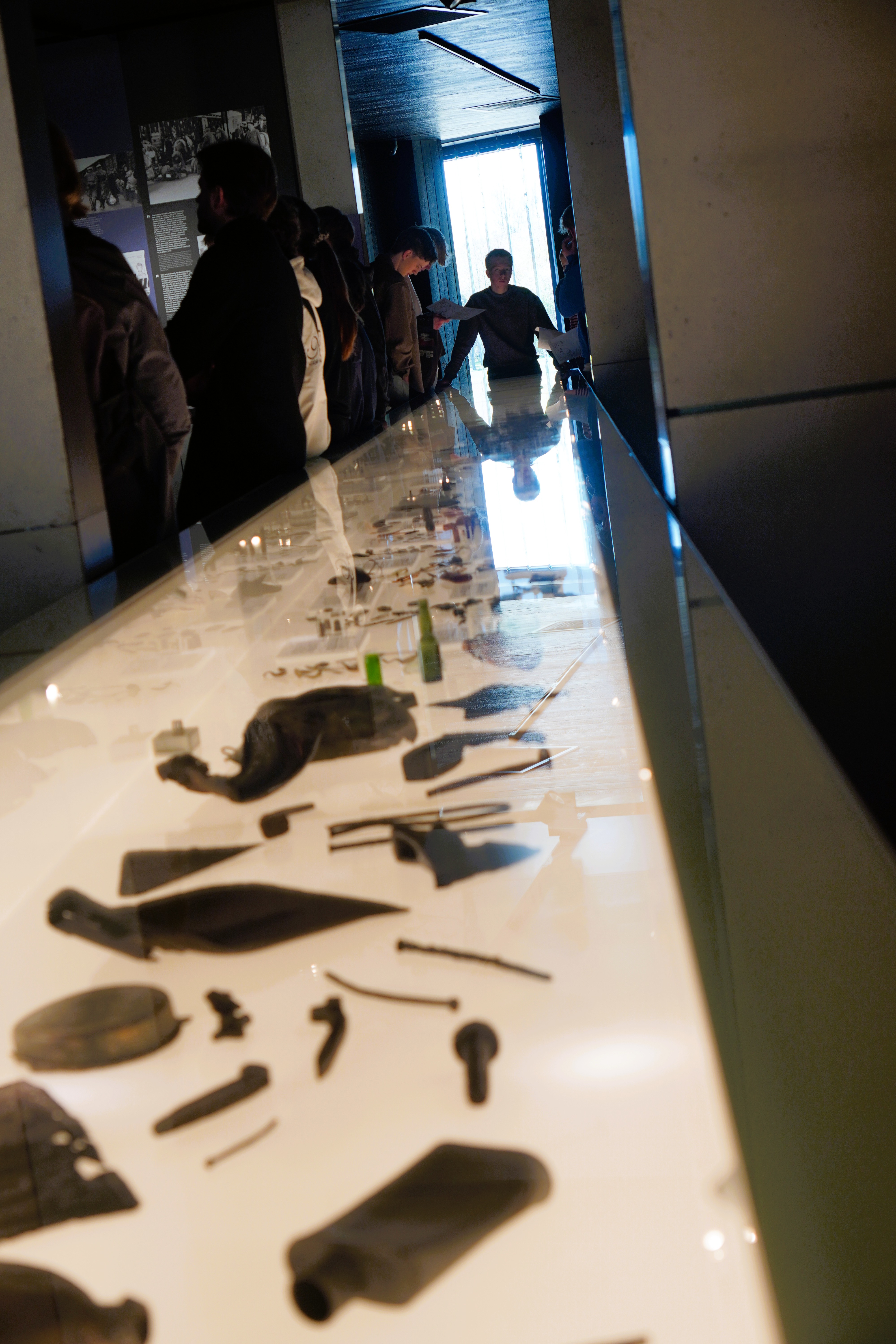
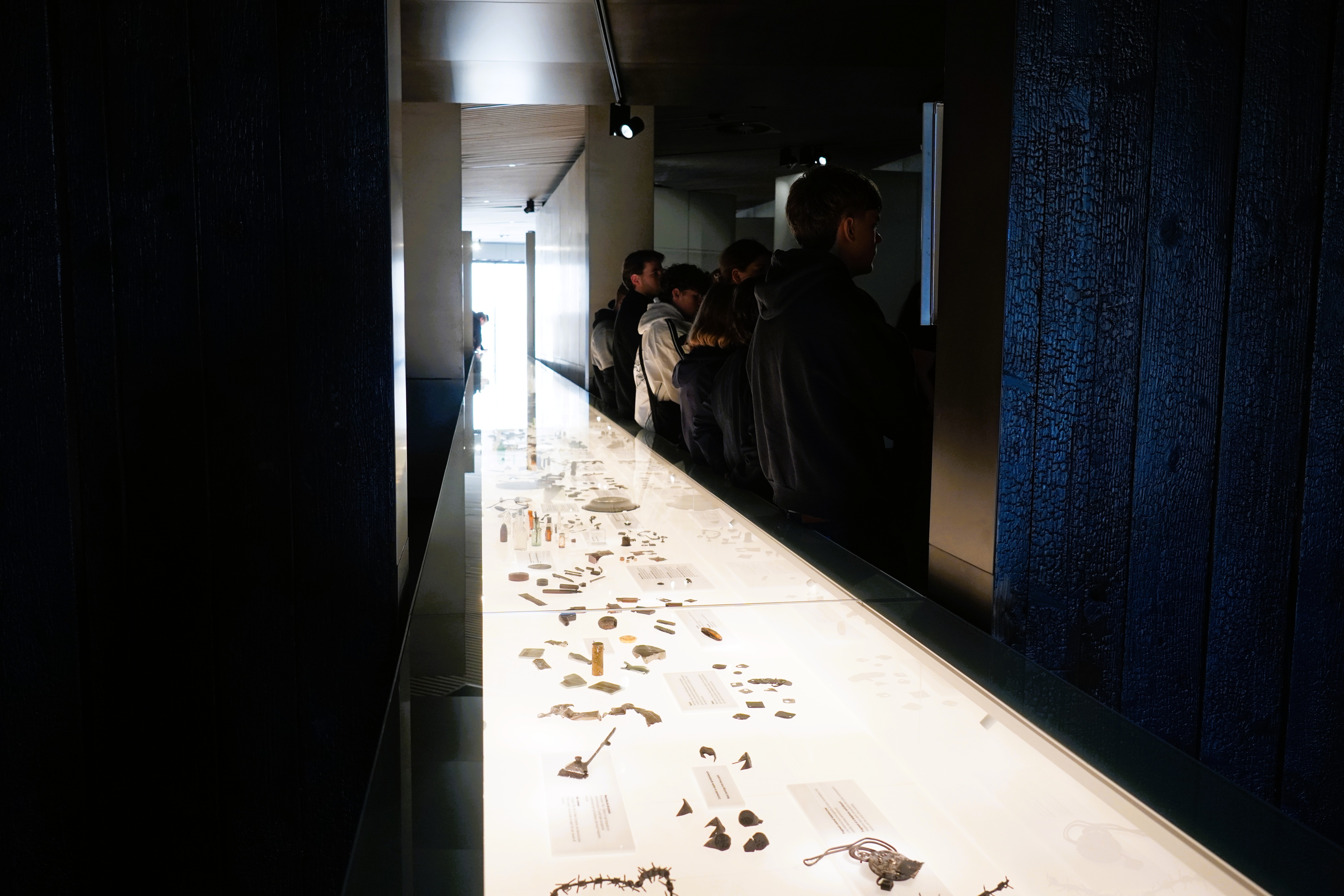
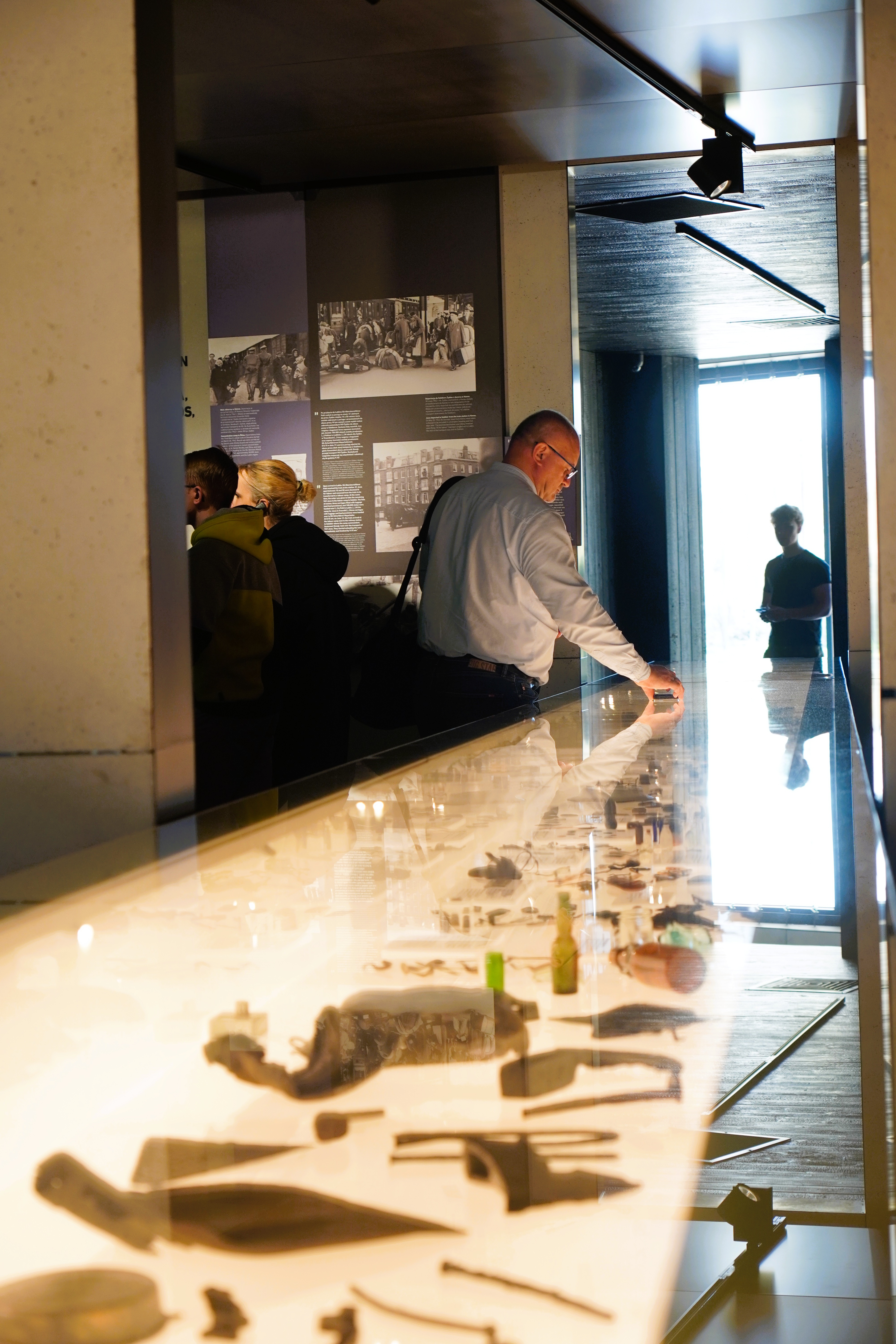
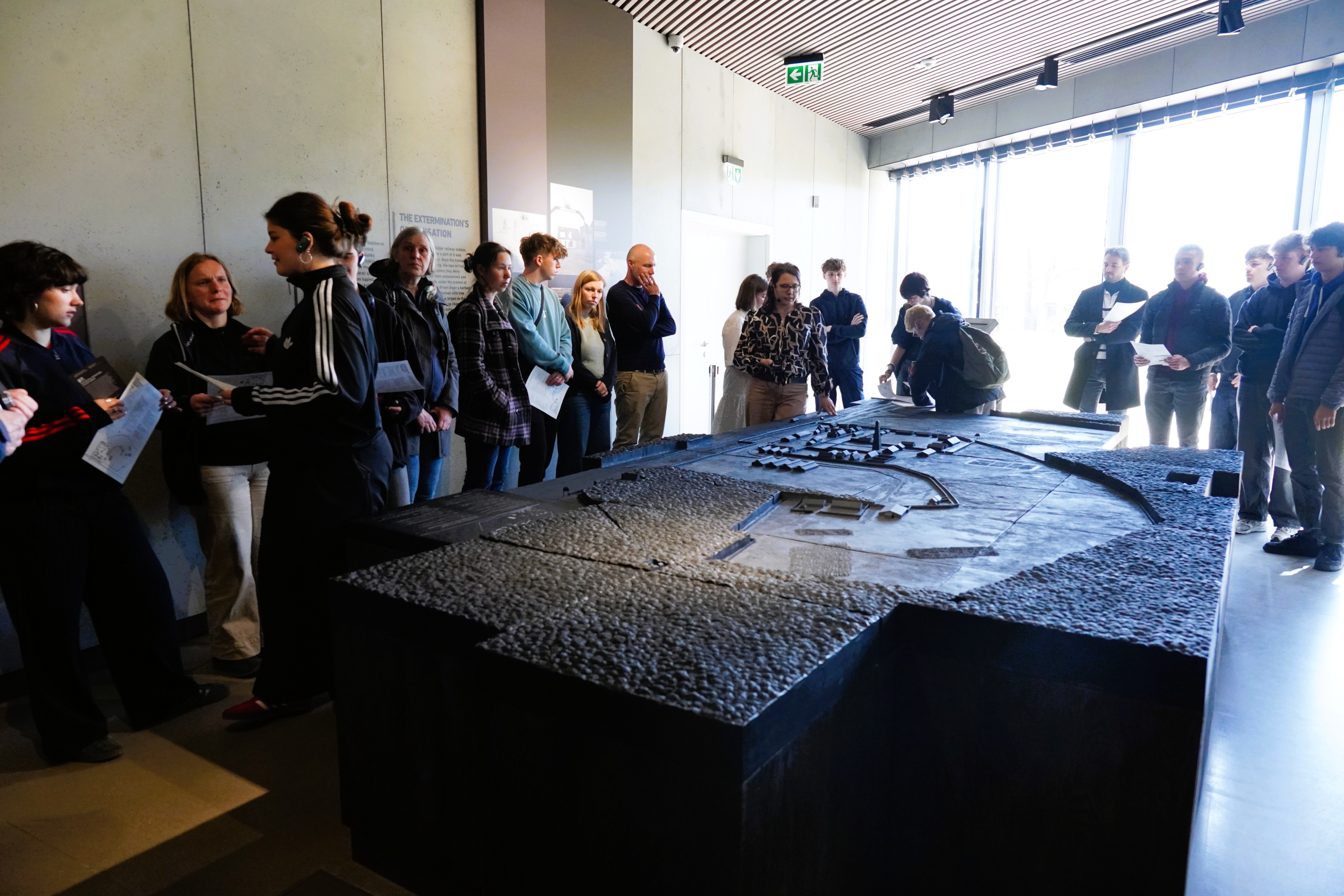
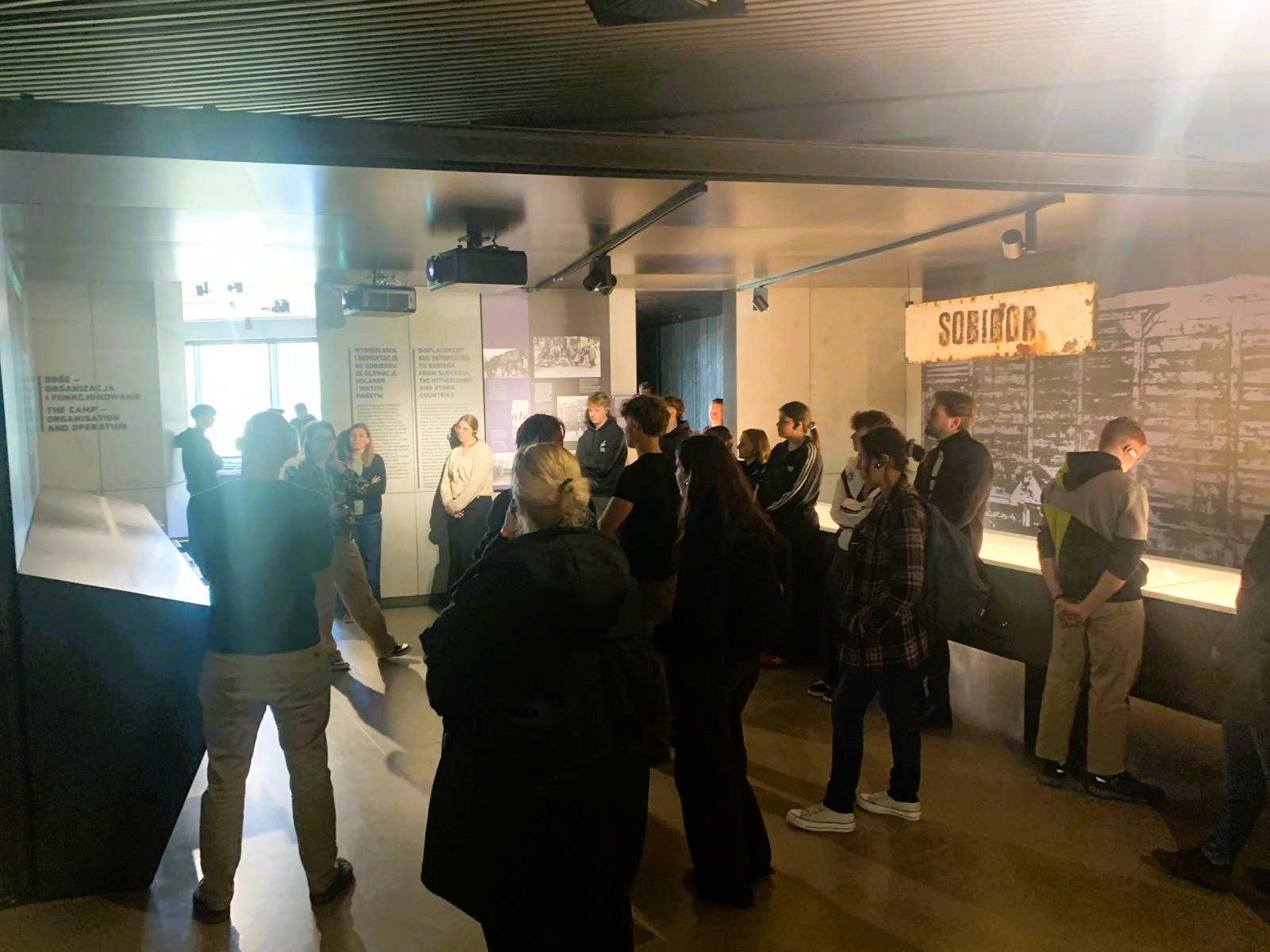
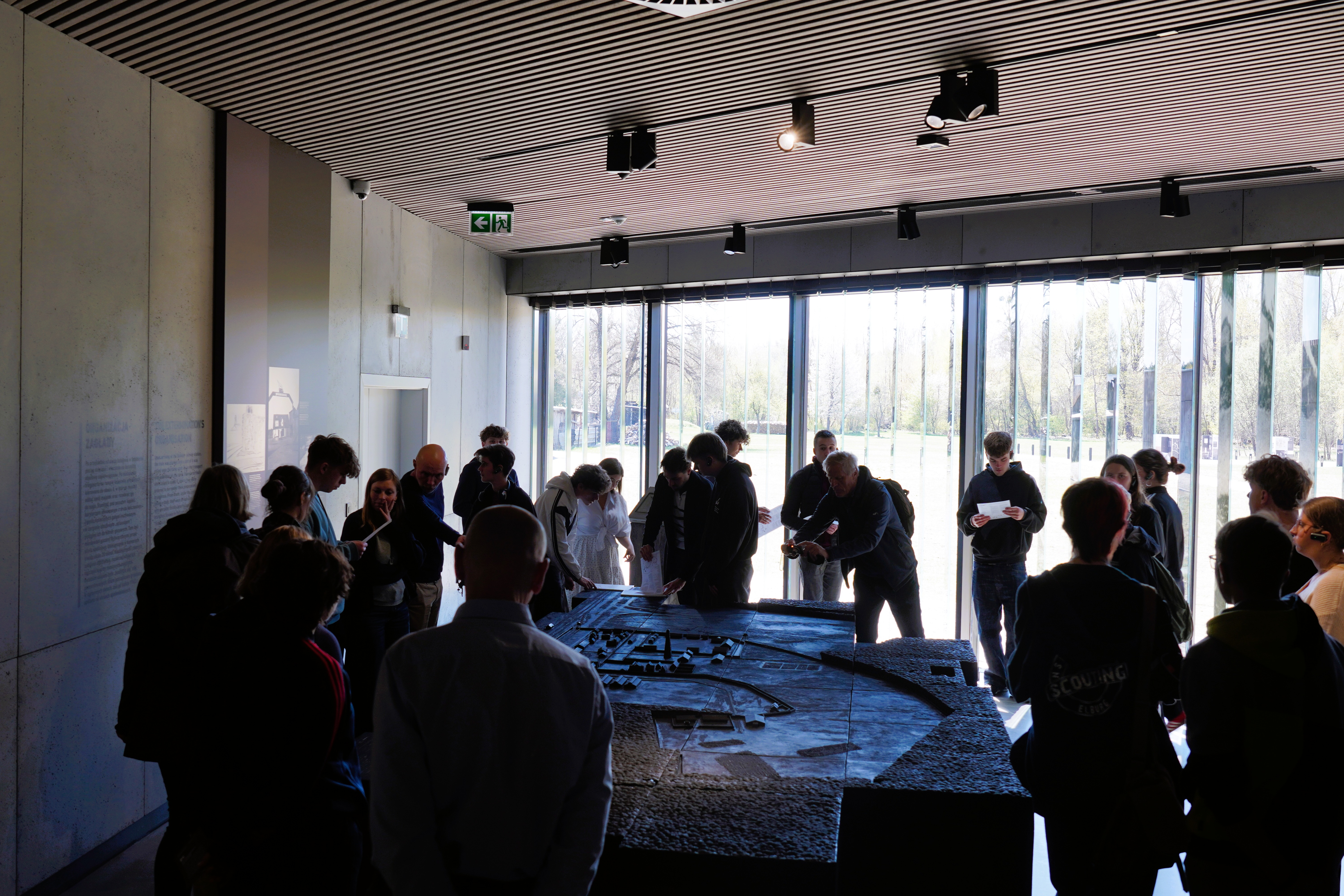
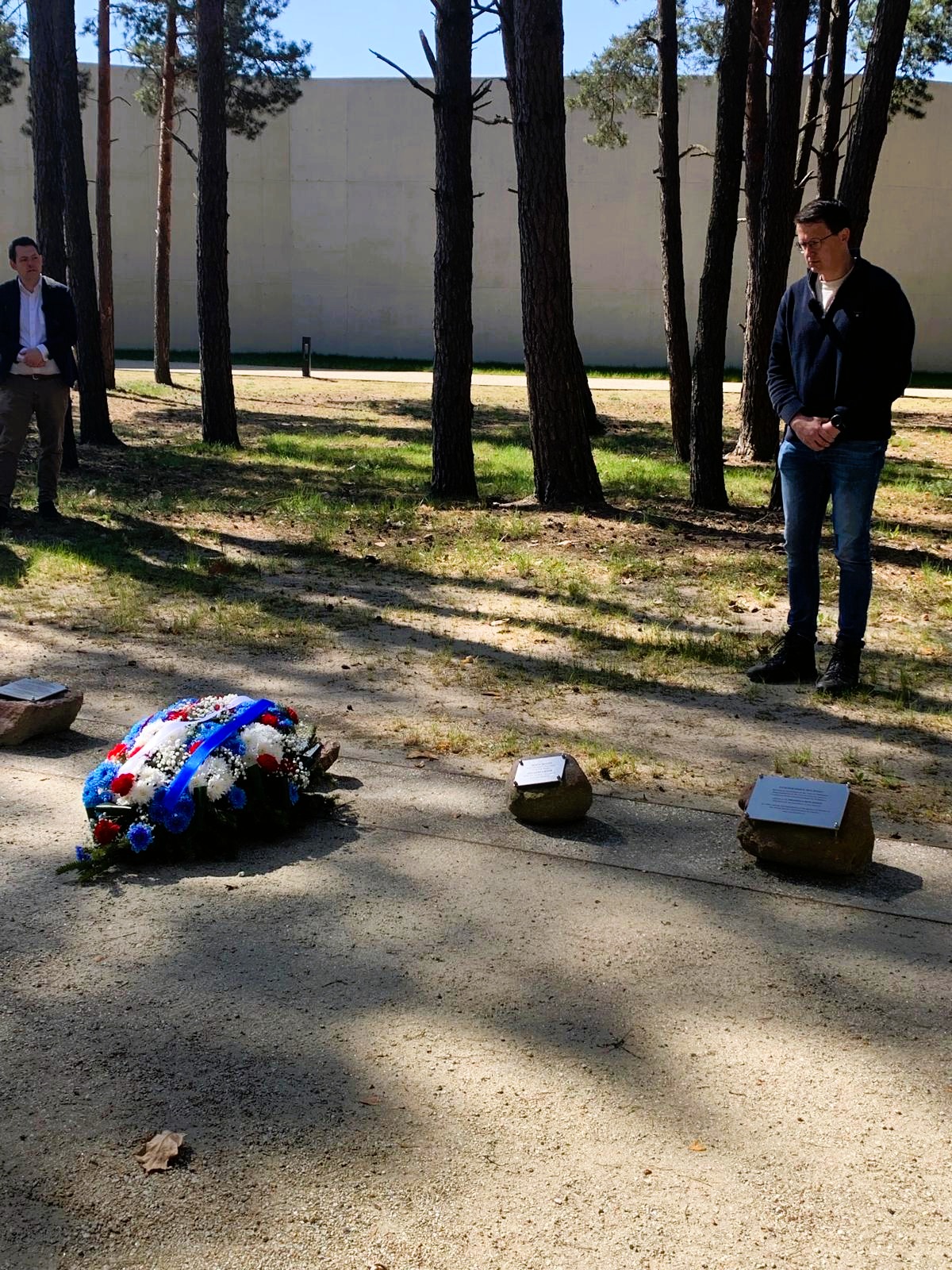
On the same day, a stone dedicated to the Kropveld family, murdered on 9 April 1943 in the Sobibor extermination camp, was unveiled along the Alley of Remembrance. The youth visit concluded with a guided tour of the permanent exhibition, which introduced its narrative and concept. A key element was the connection between history and the memory of the victims through the presentation of artefacts discovered during archaeological work, as well as historical testimonies, photographs, and documents.
Education Through Experience

The following day featured a study visit in the form of a guided tour of the former extermination camp grounds in Sobibor. The programme, enriched with workshop elements, enabled participants to engage actively and reflect on the history they were learning. During the tour, participants learned about the role of the SS-Sonderkommando Sobibor in carrying out the extermination of European Jews and had the opportunity to reflect on the individual fates of victims.

Shared Memory

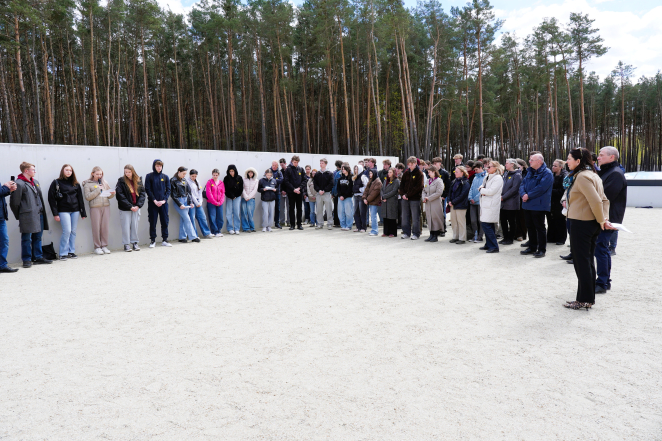
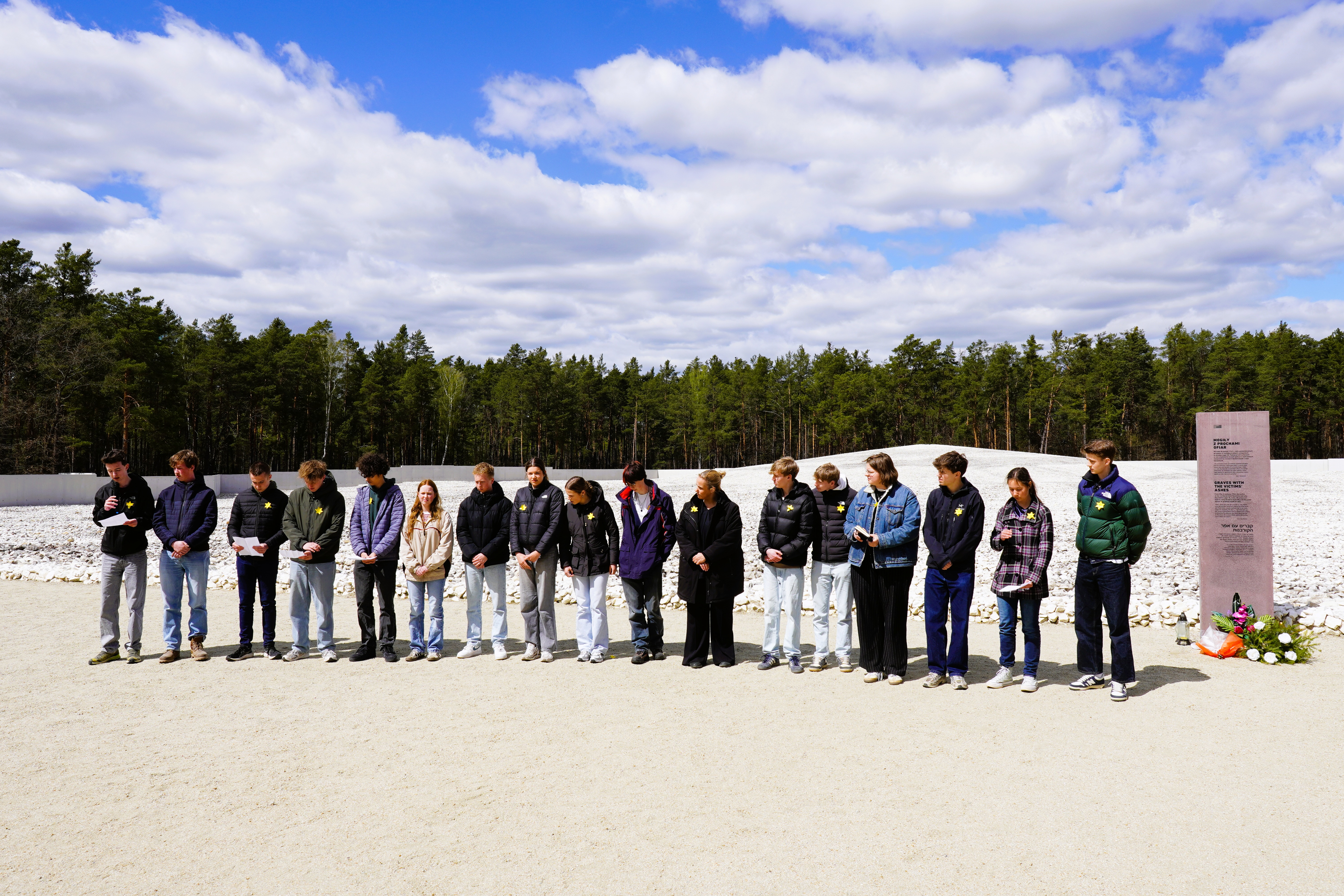
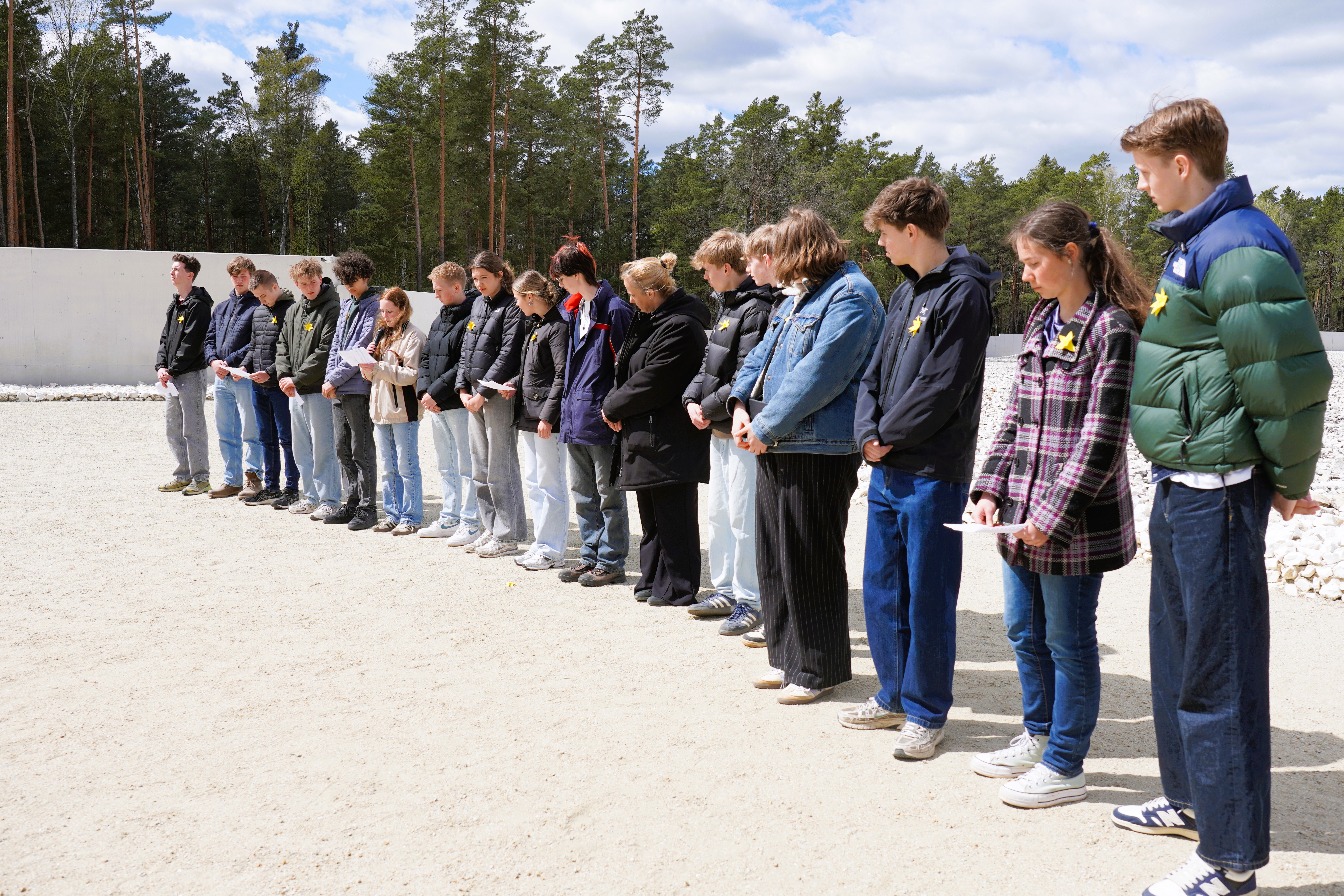
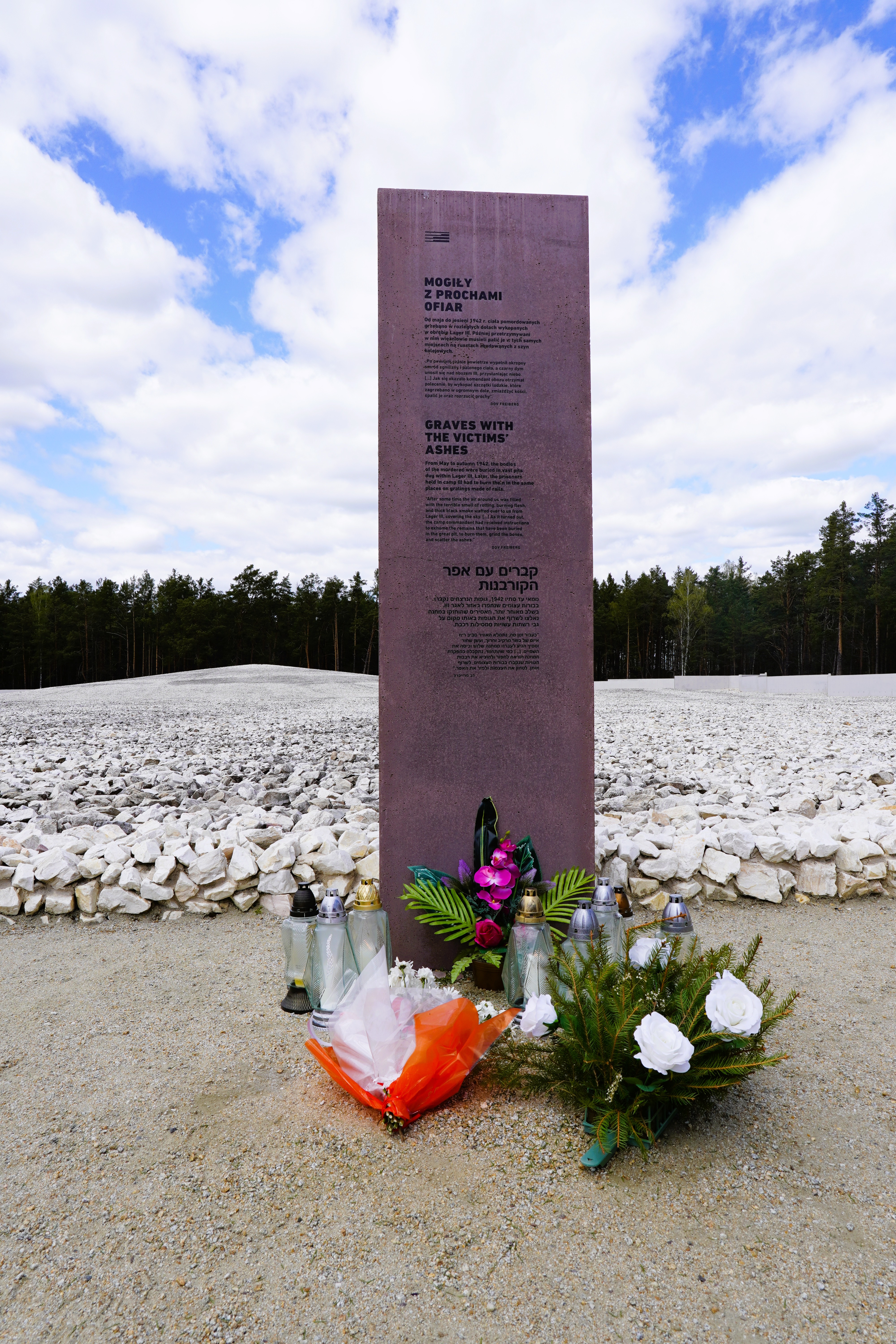
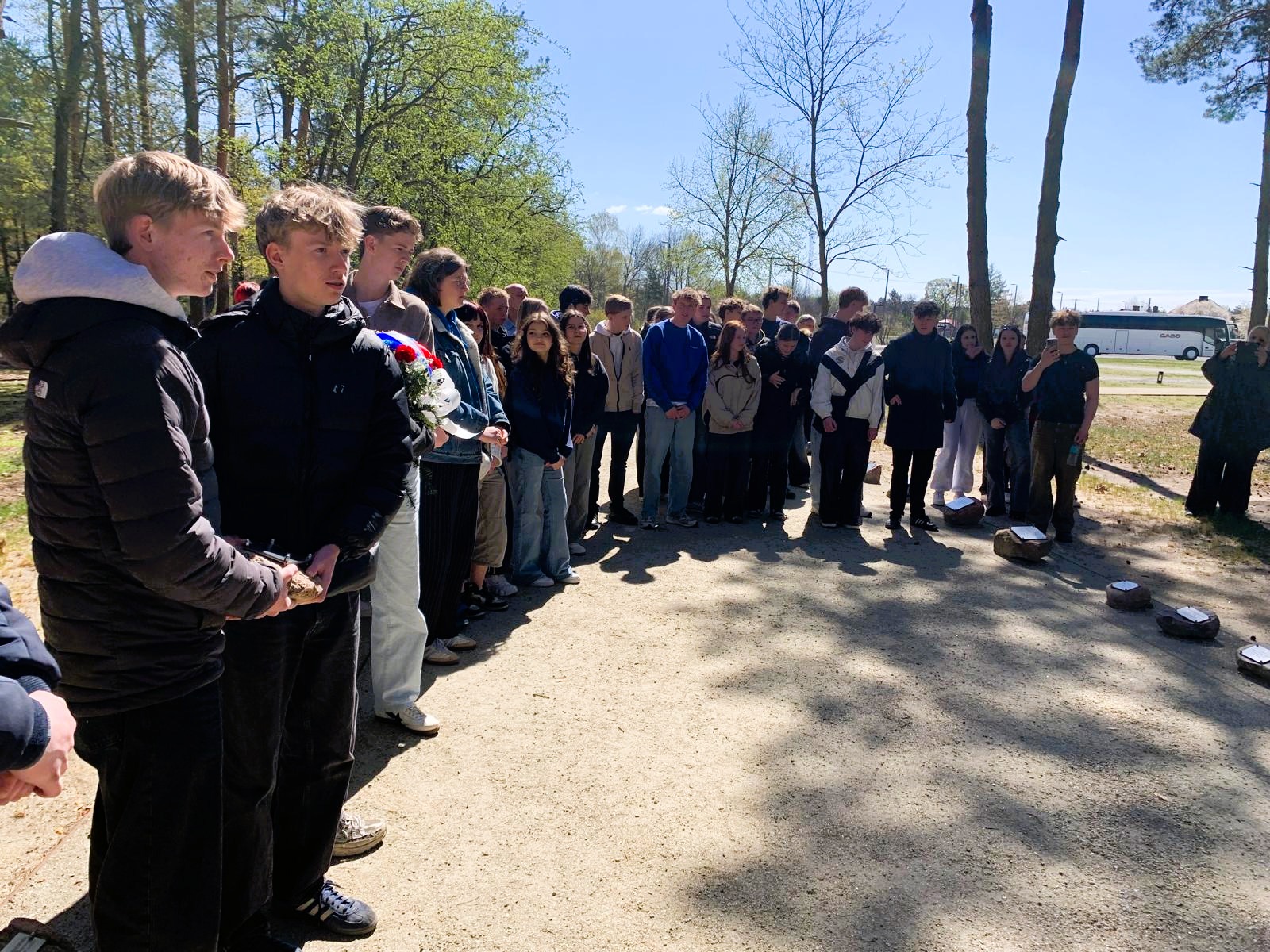
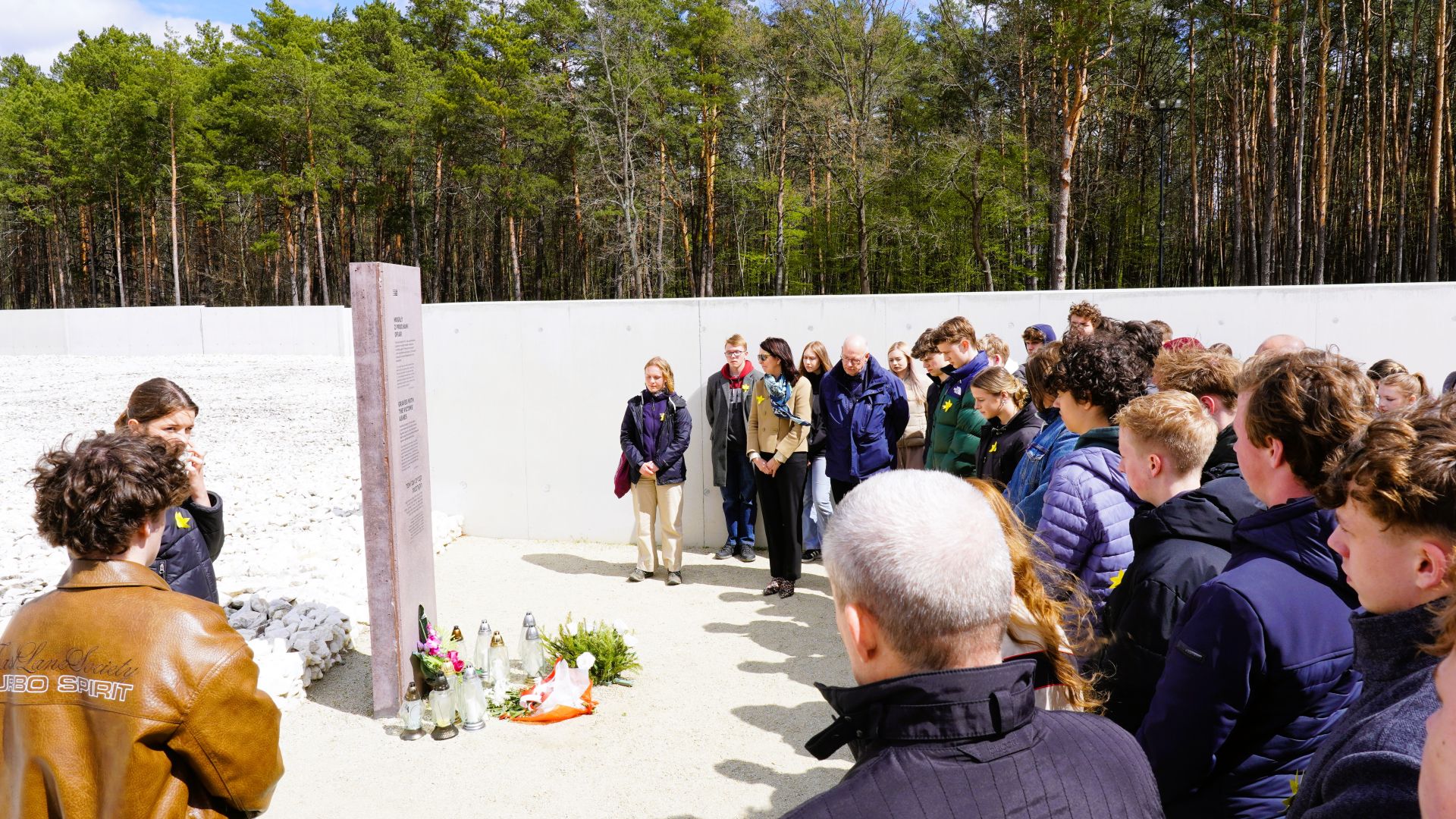
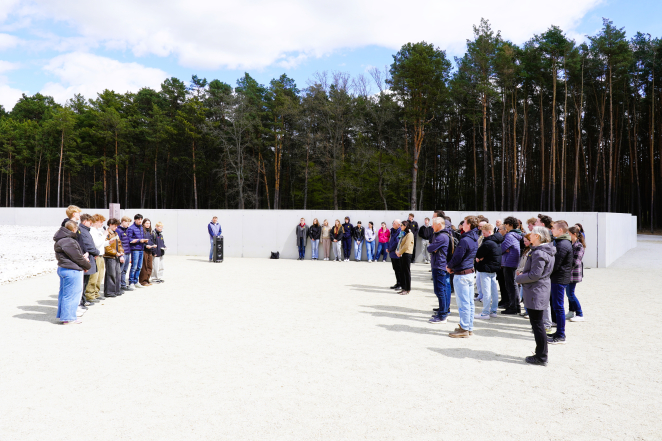
The study visit concluded with a commemorative ceremony near the mass grave clearing. Participants read biographies of selected victims and paid tribute together to all those murdered during the Holocaust. This time – filled with shared work, reflection, and meetings – created a space for dialogue and showed that memory can unite and inspire the building of a future based on respect and responsibility.