European Archaeology Days 2026

European Archaeology Days 2026
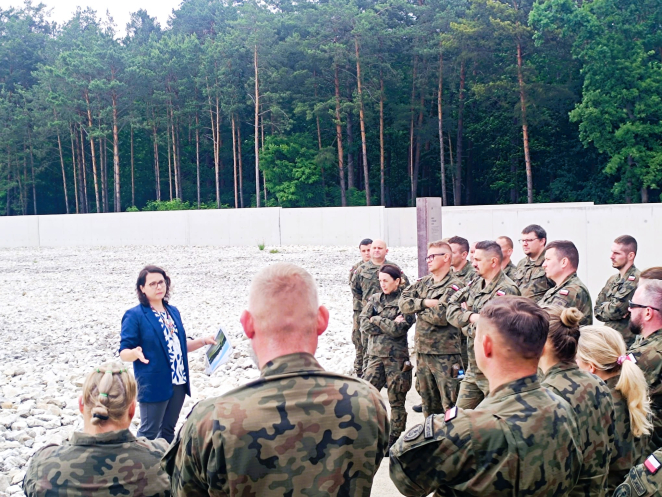
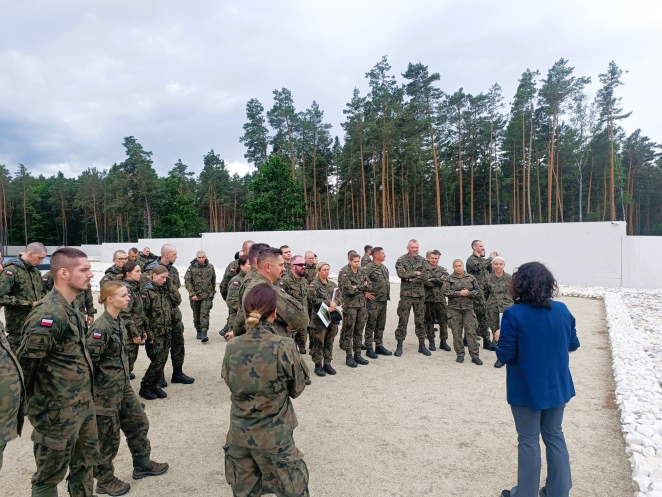
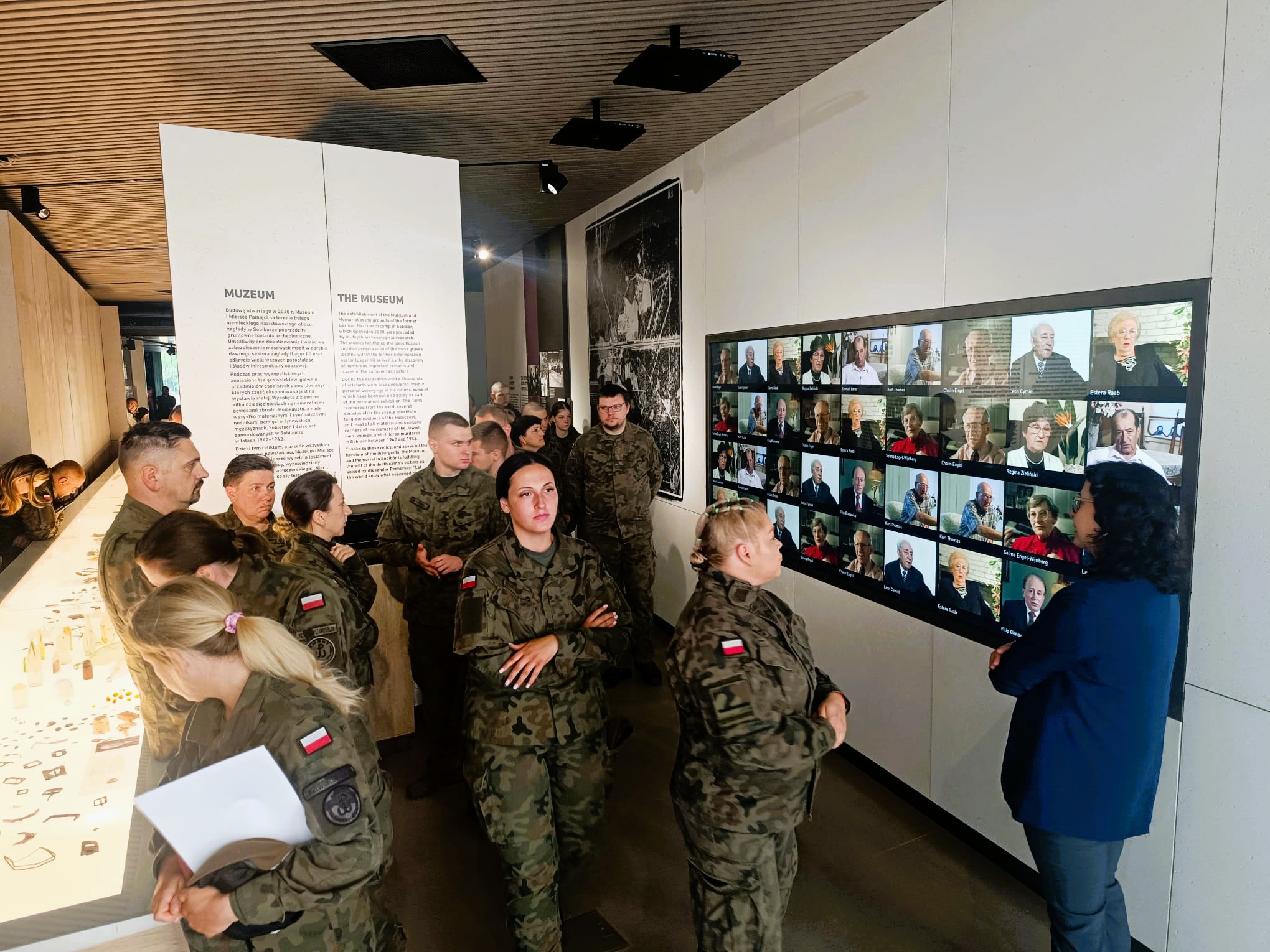
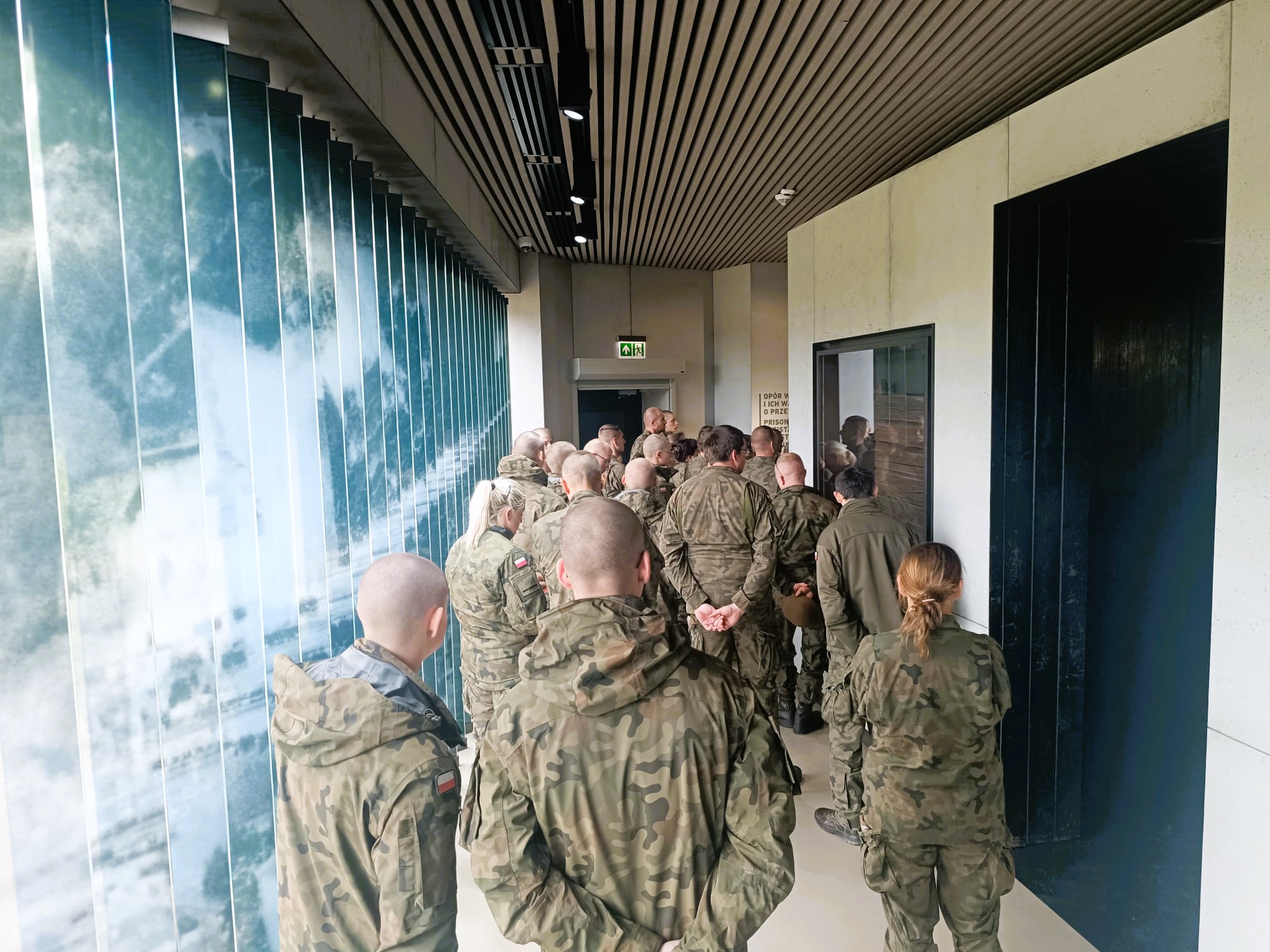
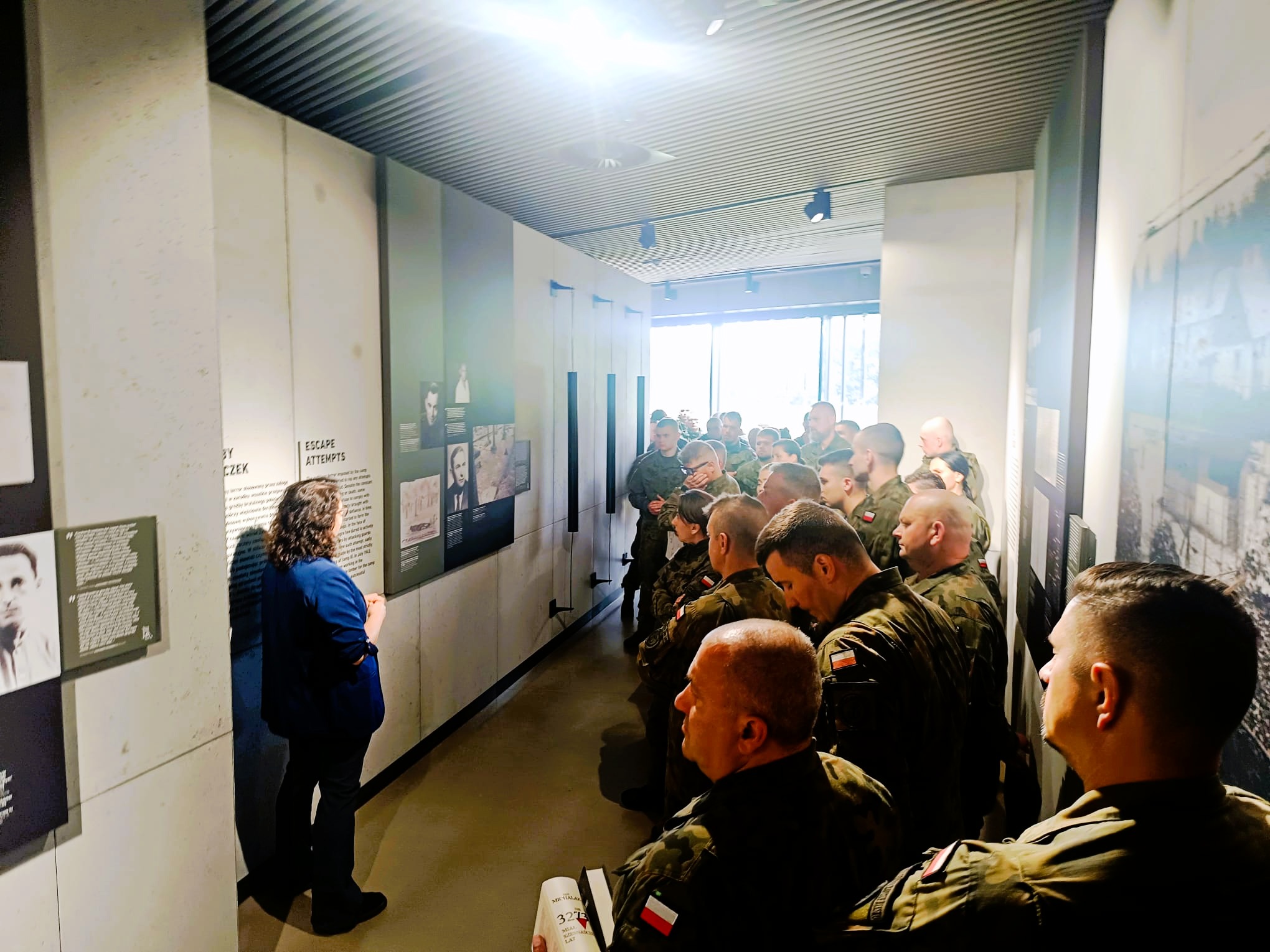
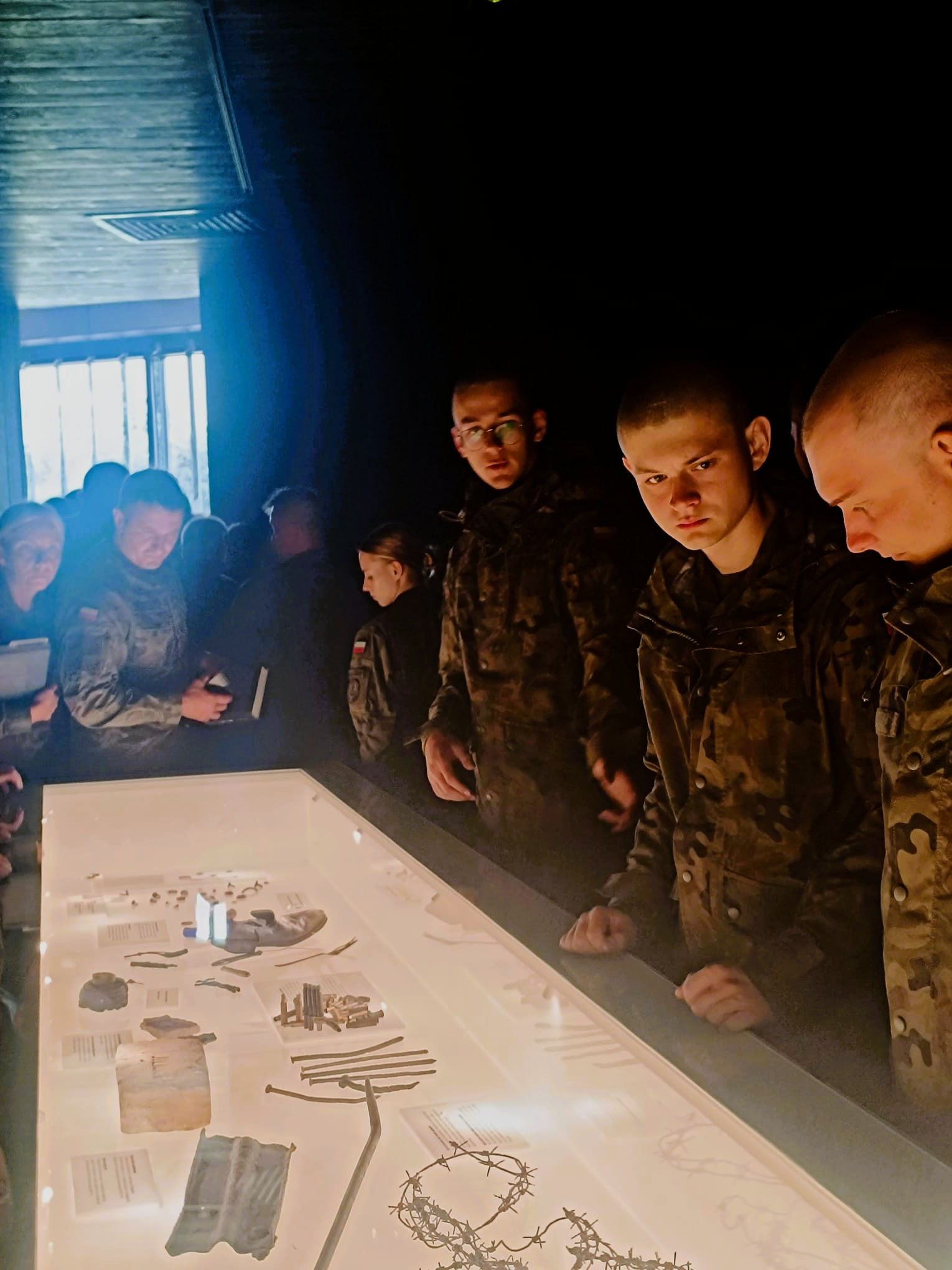
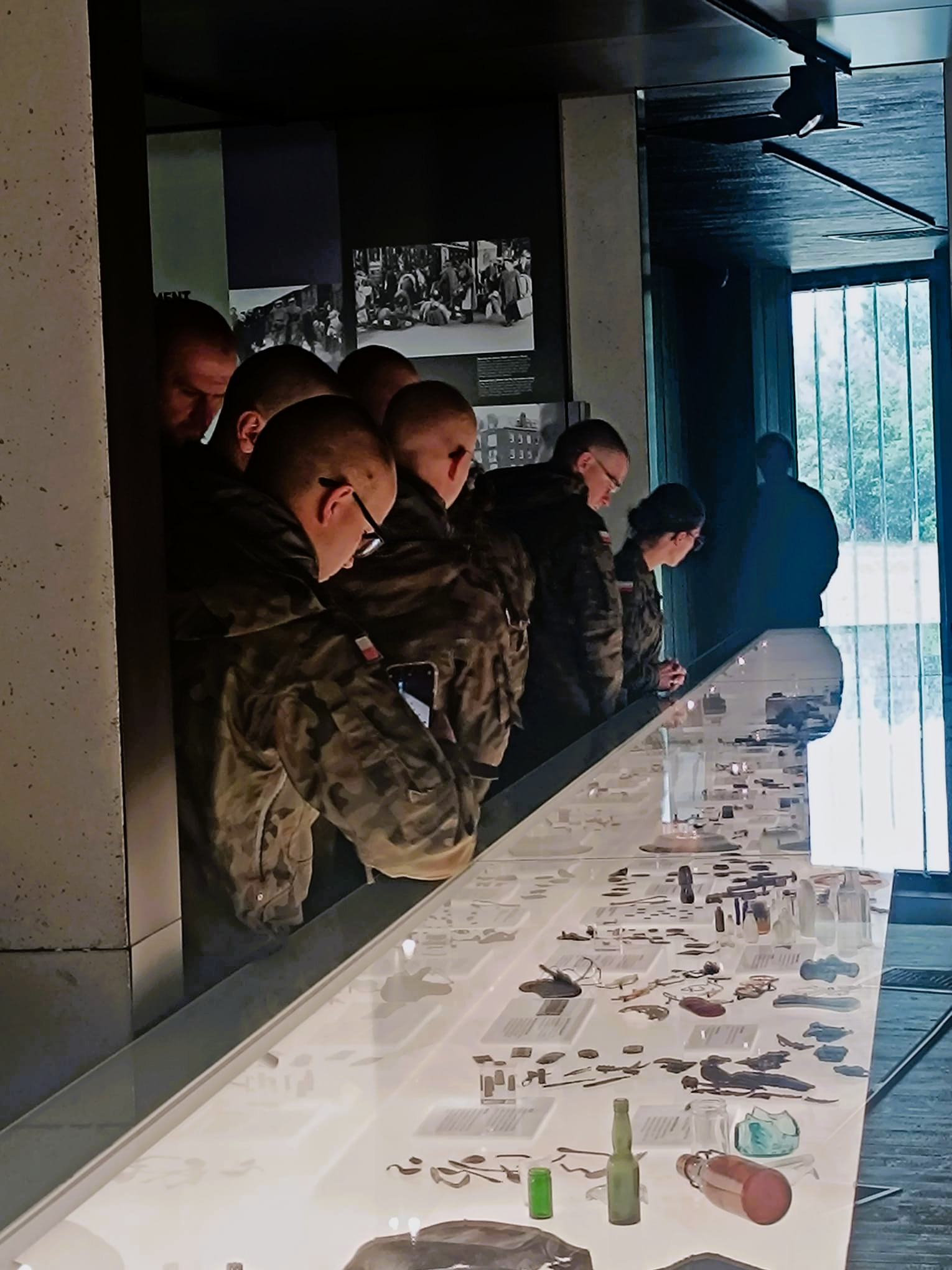
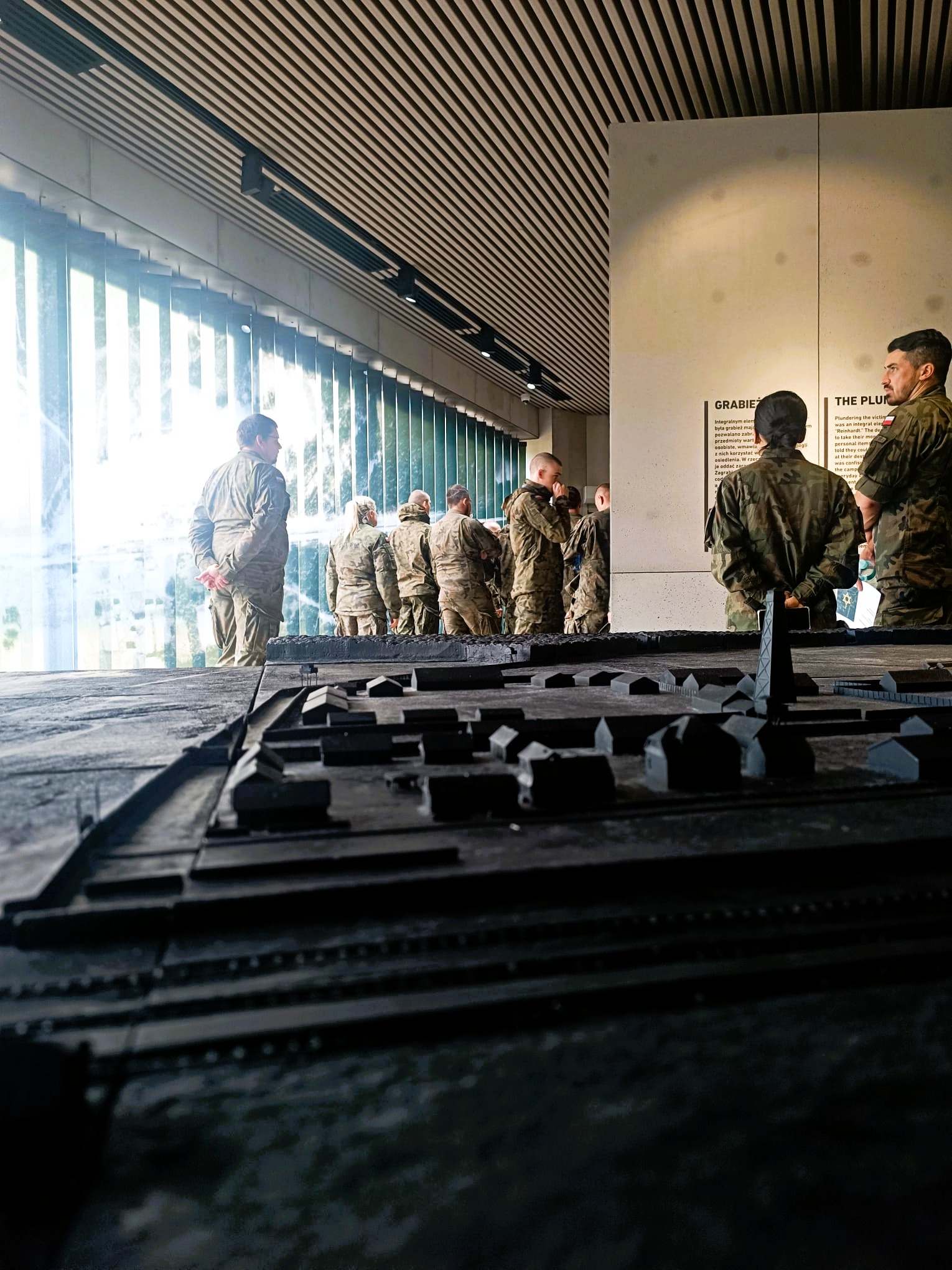
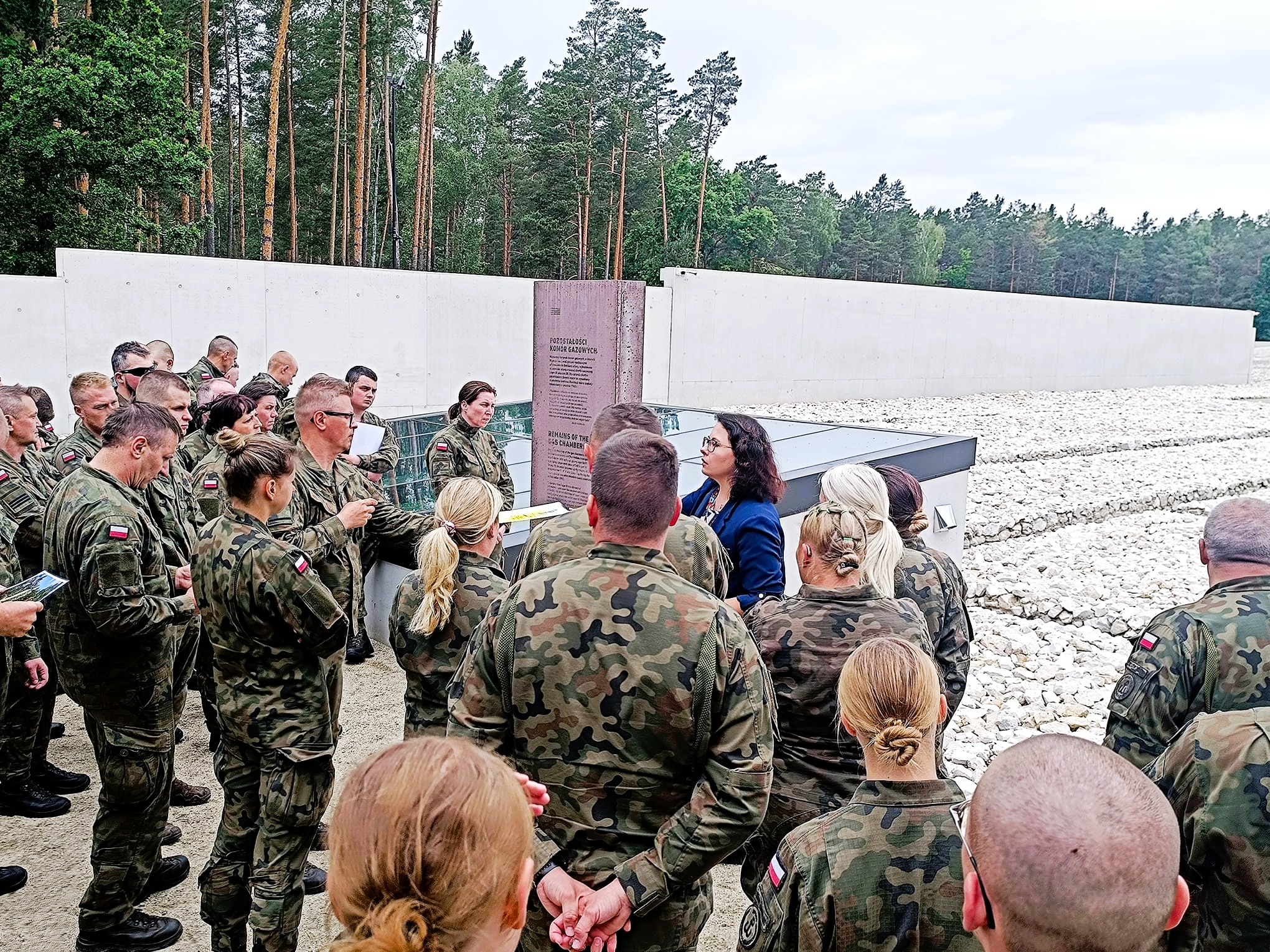
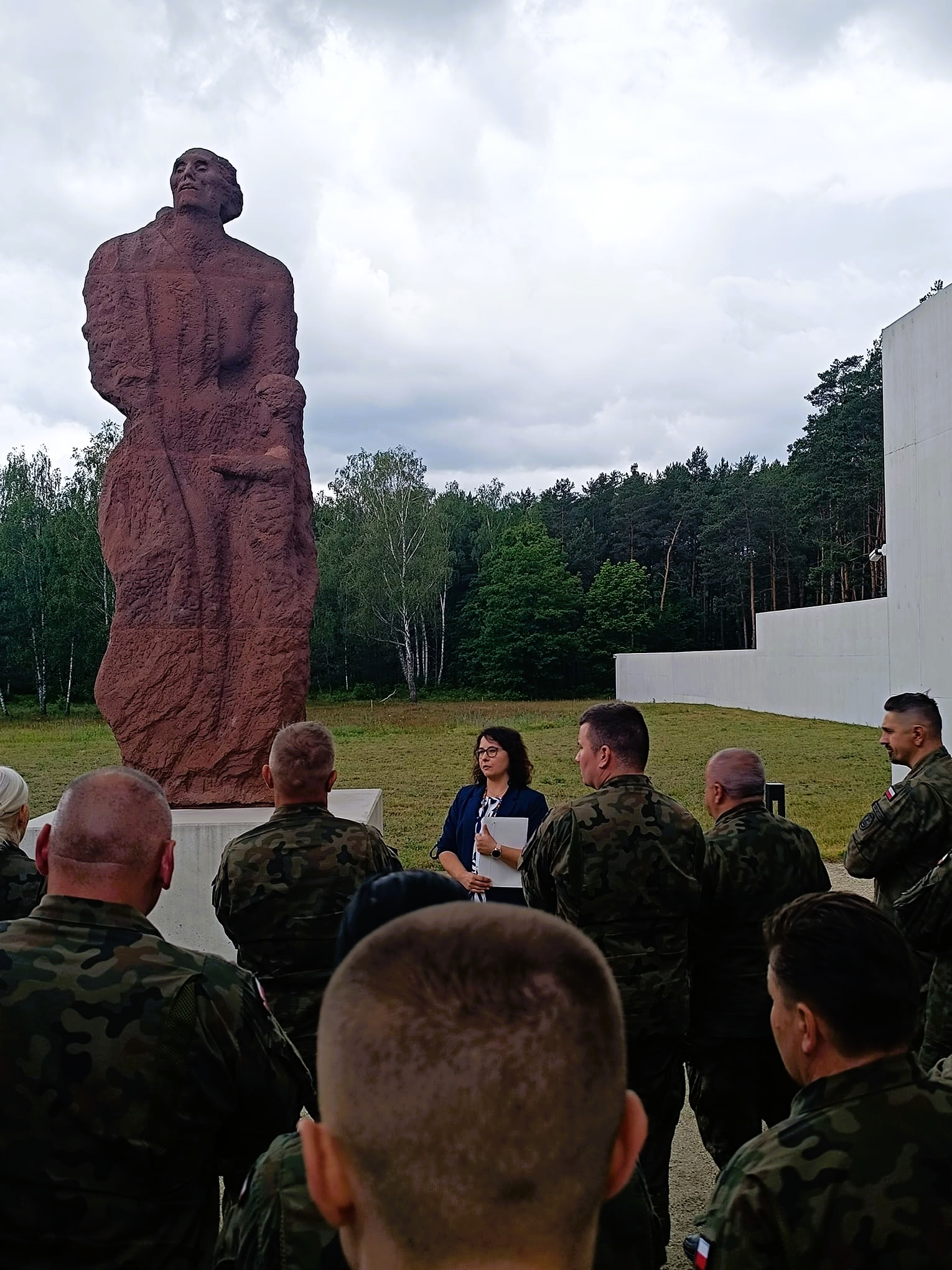
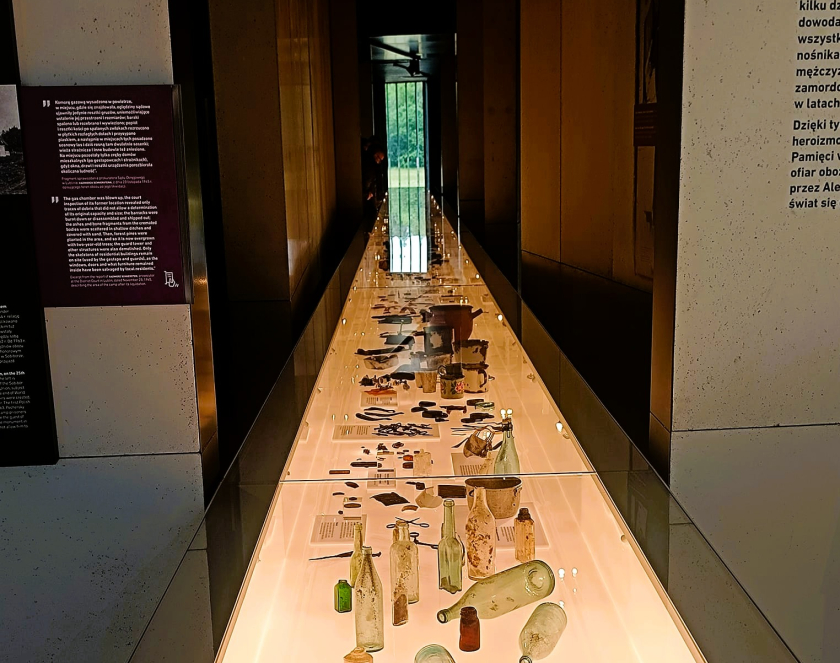
The Museum and Memorial in Sobibór organised an archaeological walk on the occasion of the European Archaeology Days. Participants had a unique opportunity to learn about the results of archaeological research conducted at the site of the former German death camp and to view selected artefacts uncovered during many years of archaeological investigations.

Sobibor: The History of the Holocaust Hidden in Objects

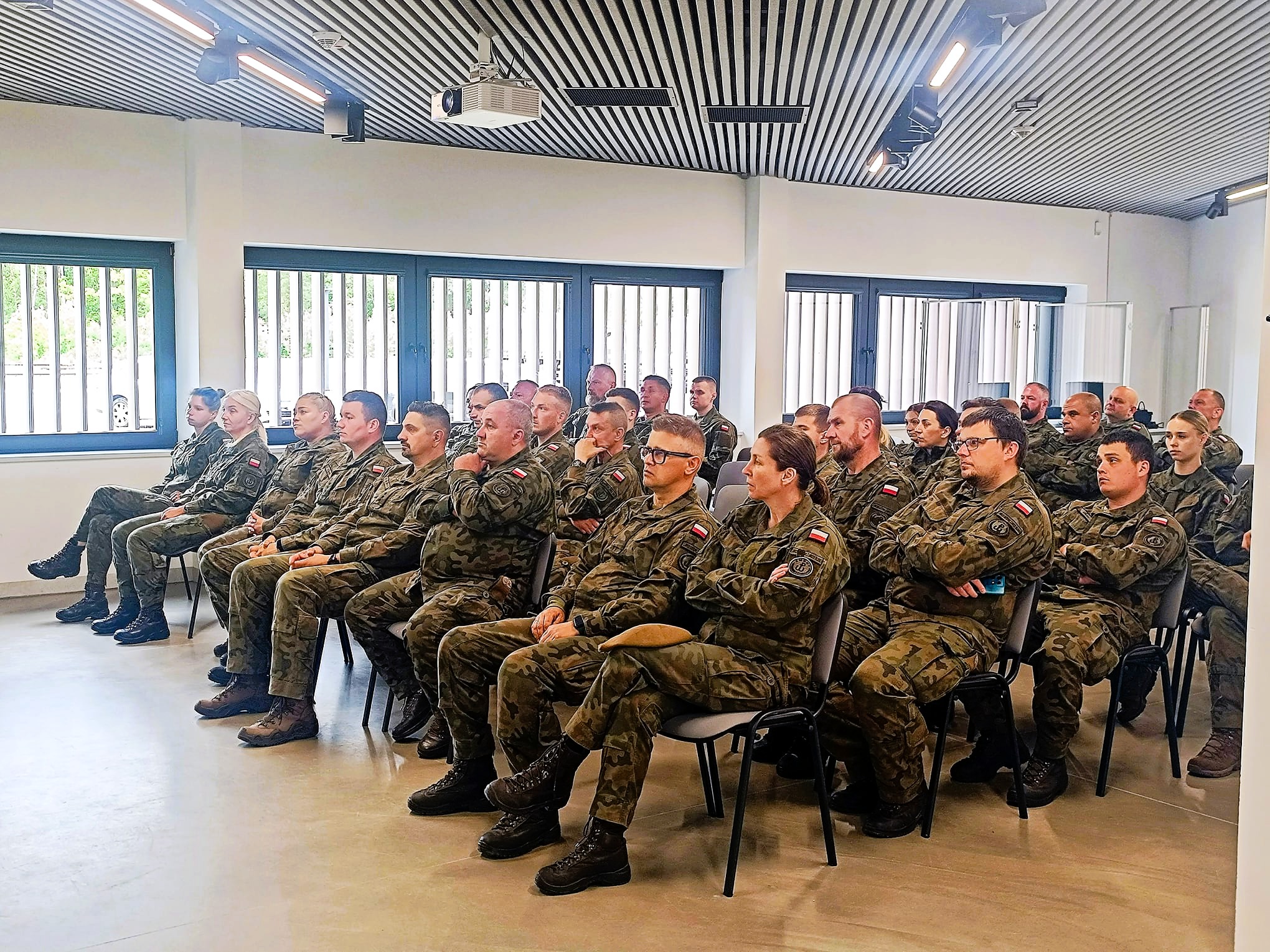
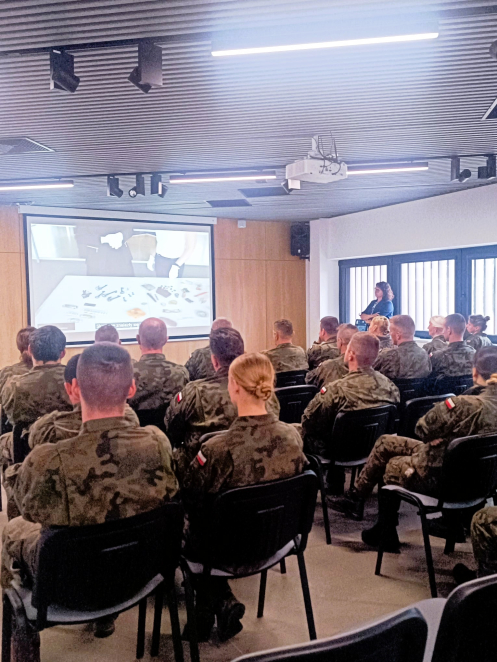
The event began with a screening of the programme “Sobibor: The History of the Holocaust Hidden in Objects,” prepared by the staff of the State Museum at Majdanek.

The film introduced participants to the history of the so-called Sobibor Collection – a group of artefacts uncovered during archaeological excavations at the site of the former German extermination camp. Everyday objects, personal belongings, and keepsakes once owned by deported victims illustrated the individual dimension of the tragedy of Sobibor, while also highlighting the importance of archaeological research in restoring the memory of Holocaust victims.
Archaeological Walk

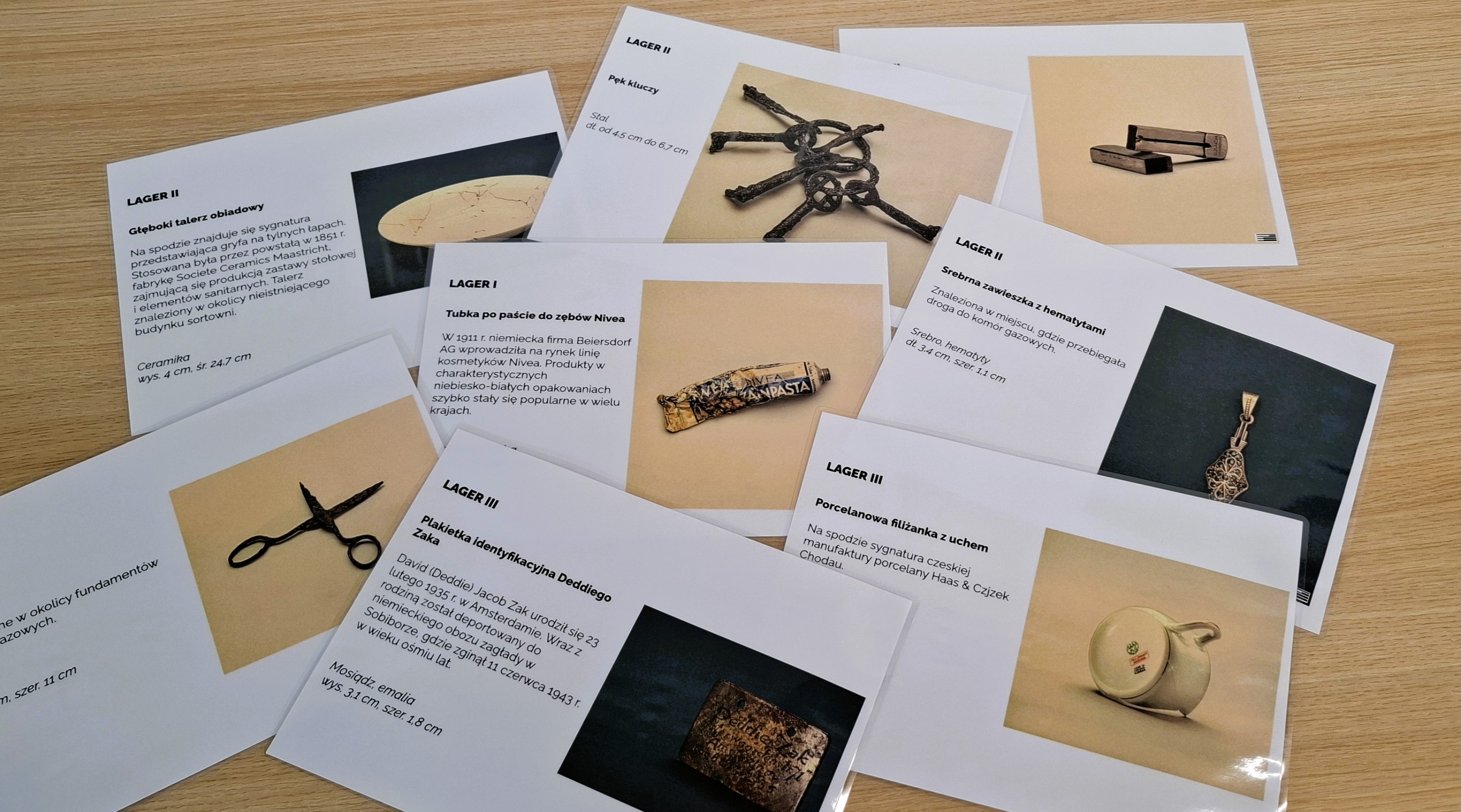
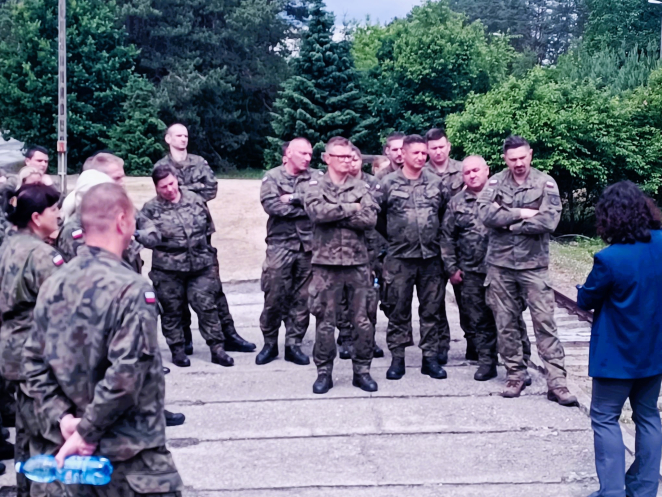
The walk began at the railway ramp, where participants were introduced to the history of the victims’ deportations. Among the artefacts presented was a promotional pocketknife produced by Dr. Oetker. This seemingly ordinary object, associated with one of the most recognisable European brands, now serves as a testament to the everyday lives of those deported to Sobibor. Particularly moving were the artefacts discovered in the area of Lager II. Among them was a bunch of keys, which remains one of the most symbolic archaeological finds unearthed at the site.

The keys evoke the image of people who believed they were leaving their homes only temporarily. Also on display were a lipstick produced by the Warsaw-based company J. Szach and a silver pendant with haematite beads, discovered near the path leading to the gas chambers. Considerable interest was also drawn by a Mickey Mouse pin dating from the 1930s. This small object serves as a poignant reminder of the youngest victims and of a childhood world that was irrevocably destroyed.

At the site of the former Lager III, where the gas chambers, barber’s workshop, and mass graves containing the remains and ashes of victims were located, participants learned the stories behind selected artefacts. These included a pair of scissors found near the foundations of the gas chambers, a razor, a signet ring bearing the monogram “SM,” an enamel mug, a porcelain cup produced by the Czech manufacturer Haas & Czjzek, and the lid of a powder container made by the Warsaw company Fryderyk Puls. These artefacts reflect the diverse backgrounds and fates of people deported to Sobibor from many countries across Europe.

The archaeological walk once again demonstrated that archaeology is not merely a discipline concerned with studying the material remains of the past. In Sobibor, it also serves as a means of restoring the memory of the victims. Every object uncovered – from keys and jewellery to everyday household items – offers a glimpse into the lives of people whose stories were tragically interrupted. Thanks to archaeological research, their memory endures, and the artefacts recovered continue to speak to successive generations of visitors to the Sobibor Museum and Memorial Site.

We would like to express our sincere gratitude to the soldiers of the Territorial Defence Forces and the soldiers of the 19th Artillery Squadron from Chełm for their presence, engagement, and active participation in the event.