A Day in Honour of the Survivors of Sobibór

A Day in Honour of the Survivors of Sobibór
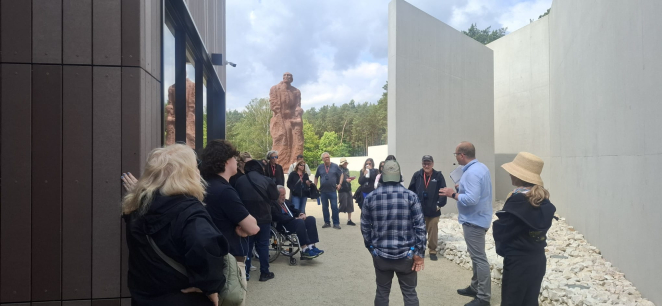
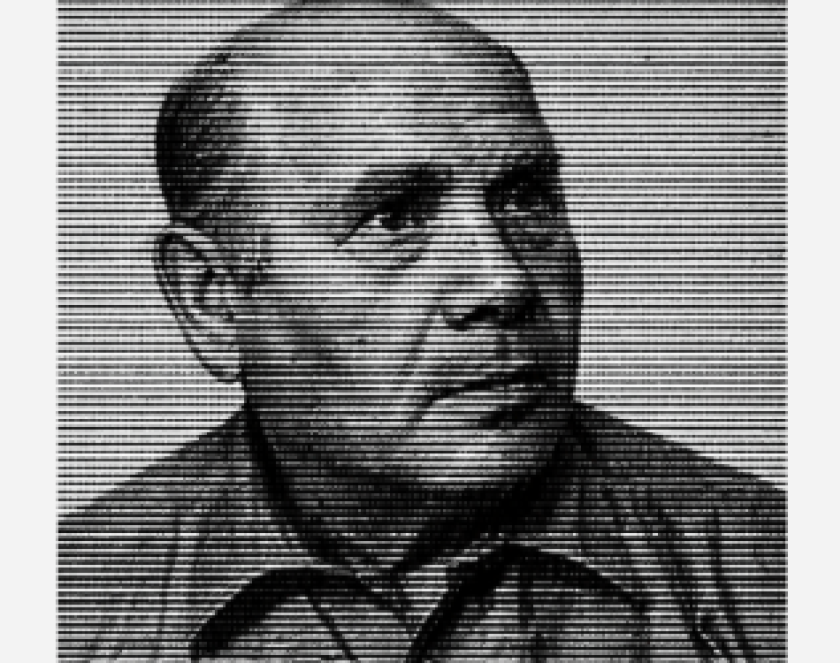
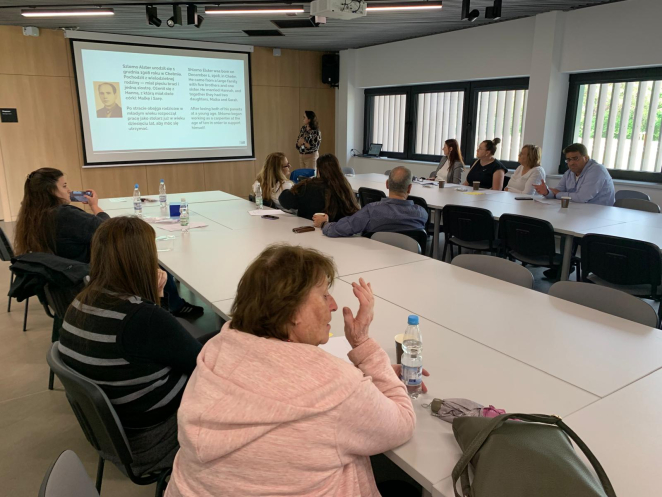
Last week, the Museum and Memorial in Sobibór hosted a Day Dedicated to the Memory of the Survivors of Sobibór. The event brought together families of victims and guests from Poland and abroad. The central part of the programme was a presentation on the life of Shlomo Alster, one of the few survivors of the Sobibór death camp. Participants had the opportunity to learn about his wartime experiences and his postwar life. The gathering also provided space for reflection on the importance of the testimonies left by those who survived the Holocaust and the enduring value of preserving their memories for future generations.

Meeting with the Kosovezer Family

A particularly moving moment of the event was a meeting with members of the Kosovezer family, whose relatives were murdered in the German death camp in Sobibór. Family memories and conversations about the fate of their loved ones reminded participants that behind every statistic are real people, families, and lives cut short.

Mr Liran Kosovezer not only shared the tragic story of his own family but also commemorated the victims from Hrubieszów who were deported to the German Nazi death camp in Sobibór in June and October 1942. In his presentation, he also described prewar Hrubieszów – a vibrant, multicultural town with bustling streets, prayers in the synagogue, and Sabbath gatherings.
Excerpt from Liran Kosovezer’s speech: “Allow me to tell the story of one family among thousands, because in their story I hear the story of my own family. They were soap makers. At the railway station, the German mayor, who knew them, greeted them almost jovially: ‘Here come the soap makers.’ He sent the father, the uncle, and two sisters back to the town, sparing them from the transport. Then he asked loudly: ‘How many soap makers do we have here?’ Every desperate soul standing on that platform raised a hand. Enraged, he ordered everyone back onto the transport.

A seventeen-year-old boy from that family broke open the window of the moving train and prepared to jump. The women around him cried out that everyone would be killed. Then his mother – his mother spoke words that every parent here will understand in the depths of their soul:

‘If you can get out – save yourself. Go.’

He jumped. He survived.

The train, carrying his mother, continued on to Sobibór. No one ever returned from the gas chambers of Sobibór. That mother’s voice is the reason we are standing here today.”

Shared Memory

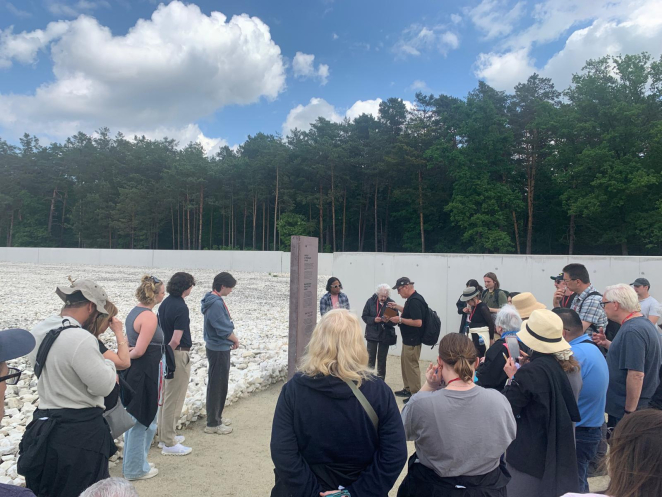
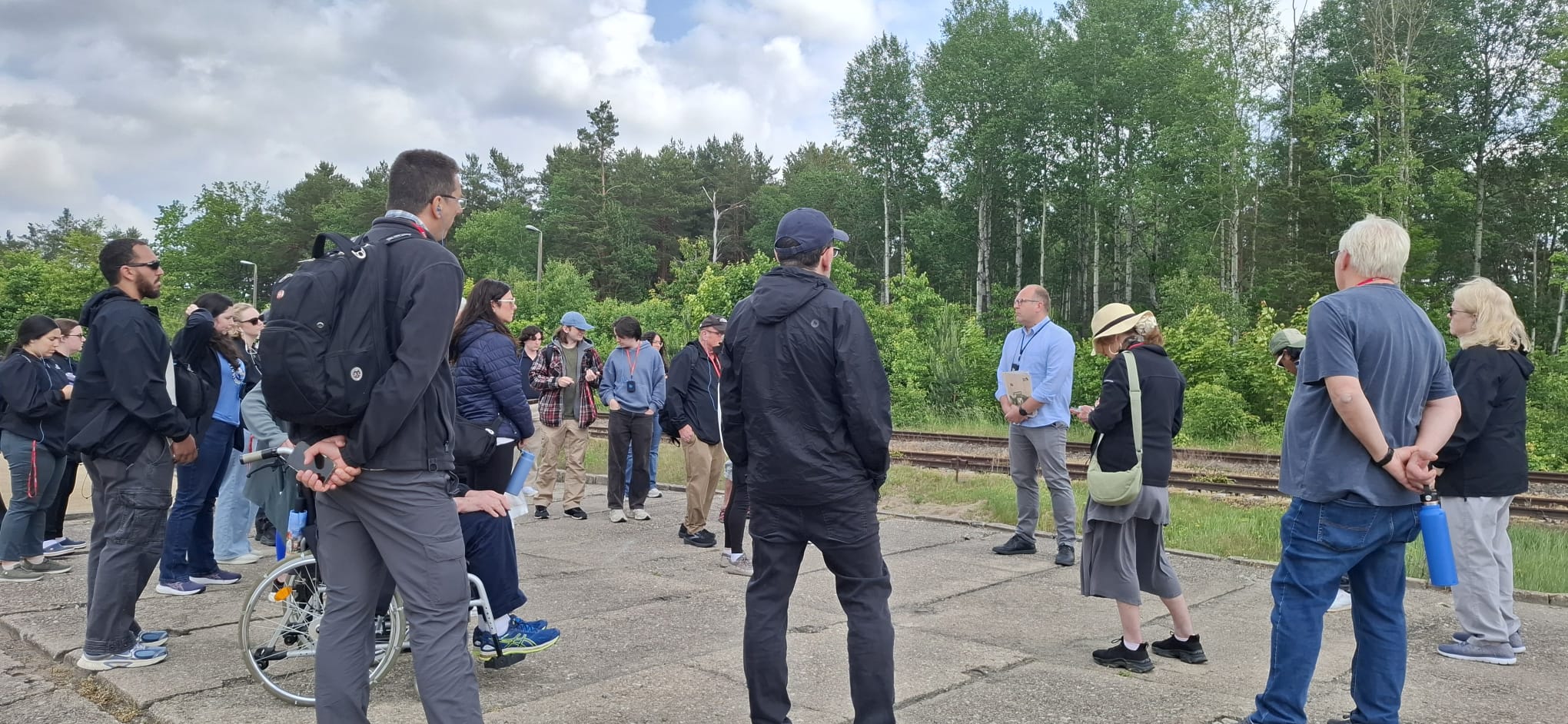
As part of the commemoration, participants were invited to join guided tours of the Memorial Site and the permanent exhibition. The tours were conducted in both Polish and English, enabling visitors from different countries to learn together about the history of the German death camp in Sobibór, the fate of its victims, and the significance of the preserved remains and artefacts.

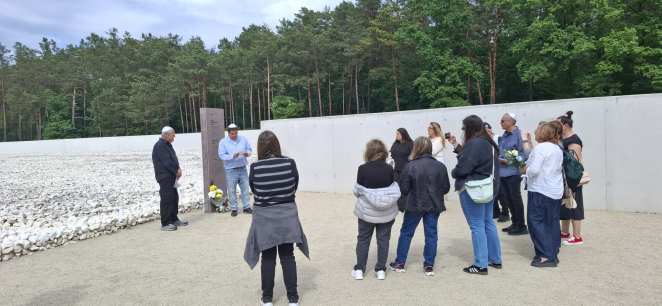
The event concluded with a commemorative ceremony at the clearing with the mass graves, where participants laid flowers and lit memorial candles in tribute to the murdered members of the Kosovezer family and all other victims of the camp.

The Day Dedicated to the Memory of the Survivors of Sobibór was not only an opportunity to commemorate the past but also an important affirmation of the responsibility to preserve and transmit knowledge about the Holocaust and to honour the memory of its victims and survivors.

Among the guests visiting the Museum and Memorial in Sobibór was Marvin Raab, the son of Esther Raab, a survivor of the Sobibór death camp. He visited Sobibór as part of a study visit with representatives of Stockton University. Their visit was an important contribution to the international dialogue on remembrance and highlighted the significance of family testimonies and their vital role in preserving history for future generations.