84 Years Later: Remembering the 155 Victims from Halle

Youth from Halle Commemorated the Victims Deported to Sobibór.

84 Years Later: Remembering the 155 Victims from Halle
On 1 June 1942, a transport left Halle (Saale), marking the beginning of a journey with no return for 155 Jewish residents of the city. The deportees were transported in a train departing from Kassel, which carried a total of 663 Jewish men, women, and children. Behind the official documents and statistics were human lives – families torn apart by persecution, people forced to leave their homes, deprived of their rights, dignity, and hope for the future.

REMEMBRANCE TODAY

Eighty-four years after these events, the memory of the victims remains alive thanks to the commitment of successive generations. On the anniversary of the transport, the Museum and Memorial in Sobibór welcomed a group of young people from Halle participating in the Tagebuch der Gefühle ("Diary of Feelings") project. The project is dedicated to documenting the history of Halle’s Jewish residents, researching the fate of victims of National Socialist persecution, and promoting historical awareness among young people.

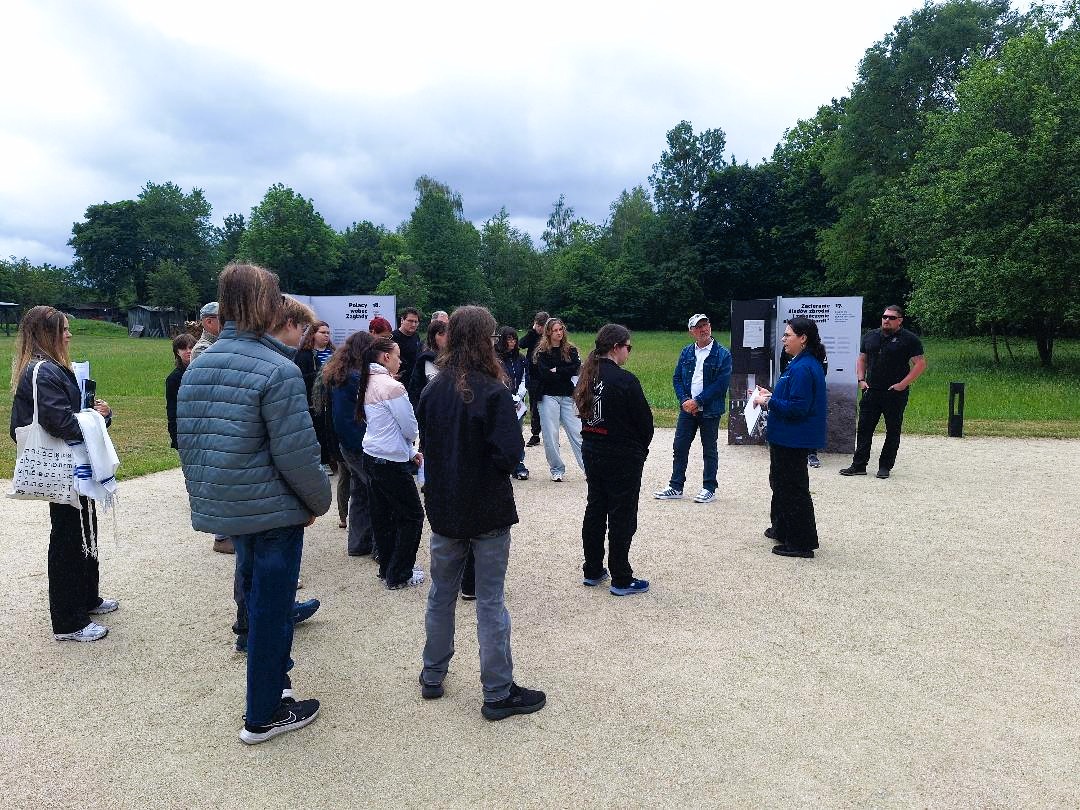
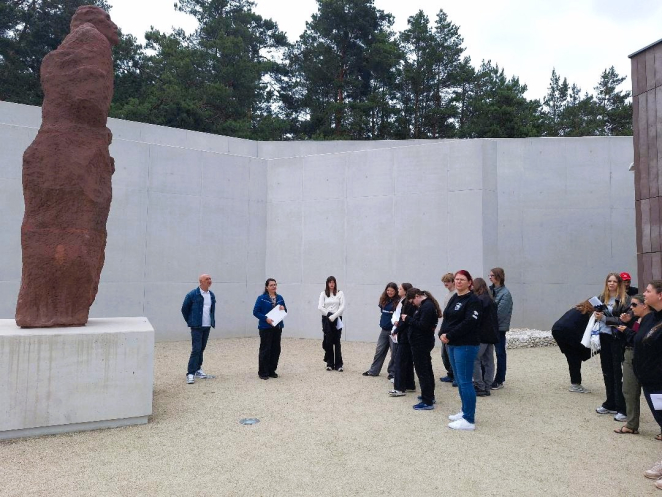
The visit to the Museum and Memorial in Sobibór was of particular significance. For the participants, it was not only a journey to a place of remembrance but also an encounter with the history of people whose names they had come to know through their own research and educational activities. The group had the opportunity to visit the site of the former death camp and the museum exhibition during a guided tour. Throughout the visit, participants learned about the history and operation of the camp, the fate of victims deported to Sobibór from various European countries, and the mechanisms of the Nazi system of extermination.
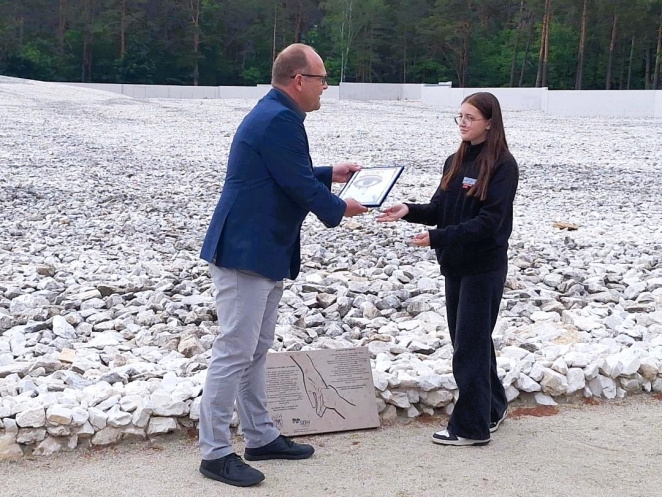
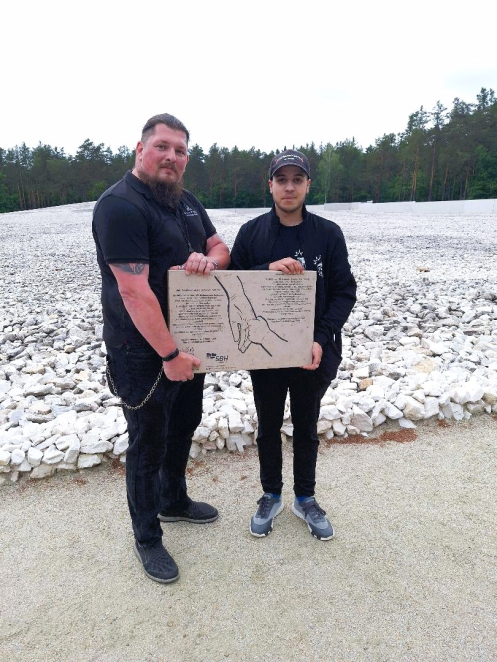
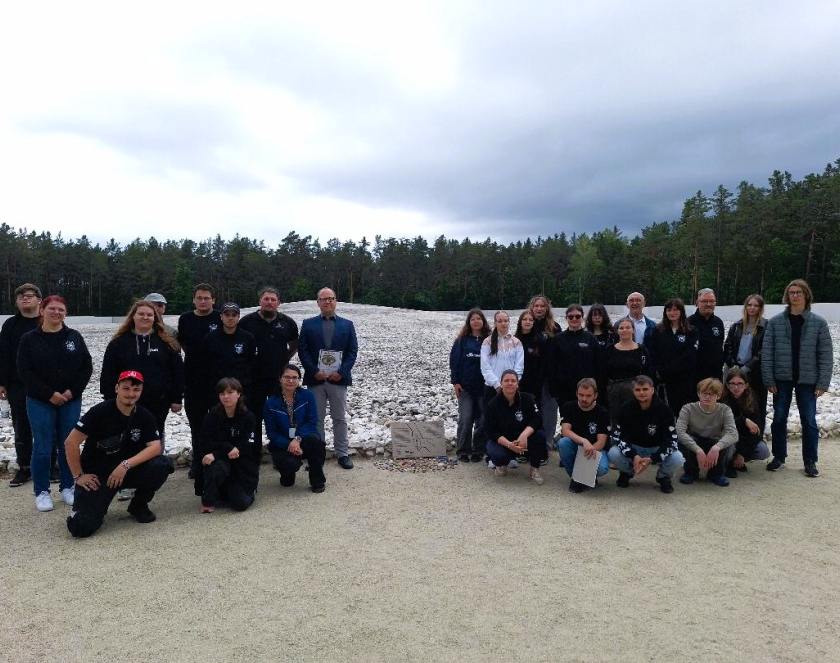
The visit concluded with a commemorative ceremony dedicated to the 155 residents of Halle who were deported on 1 June 1942. During the ceremony, the project participants presented the Museum and Memorial in Sobibór with a memorial plaque dedicated to the victims of this transport. The plaque stands as a testament to remembrance, commitment, and the responsibility of the younger generation to preserve the history of those whose voices were brutally silenced many decades ago.

To ensure long-term access to the materials prepared by the project participants, a digital version of the plaque will be made available in the digital repository located in the Museum building. This will allow both visitors and researchers to learn about the results of the students’ work and the stories of the victims they commemorated.

A particularly moving moment of the ceremony was the reading aloud of the names of all 155 people deported from Halle. Each name was spoken individually, restoring the memory of those whom the perpetrators sought to reduce to mere numbers on transport lists. After the reading, participants laid symbolic stones, reminding us that remembrance is not a single act but a responsibility carried forward by successive generations.

TAGEBUCH DER GEFÜHLE

The Tagebuch der Gefühle project plays a special role in commemorating the victims of the deportation from Halle. It combines historical research with education and the personal commitment of young people. Thanks to the work of the project participants, the names of the deportees are more than archival records; they become part of today’s culture of remembrance. Their activities show that history is not only a subject of study but also a space for responsibility, reflection, and dialogue. The project’s activities can also be followed on its Instagram profile.

We express our sincere gratitude to the organisers, educators, and participants of the Tagebuch der Gefühle project for their visit, for commemorating the victims, and for their commitment to preserving the memory of Halle’s Jewish residents.