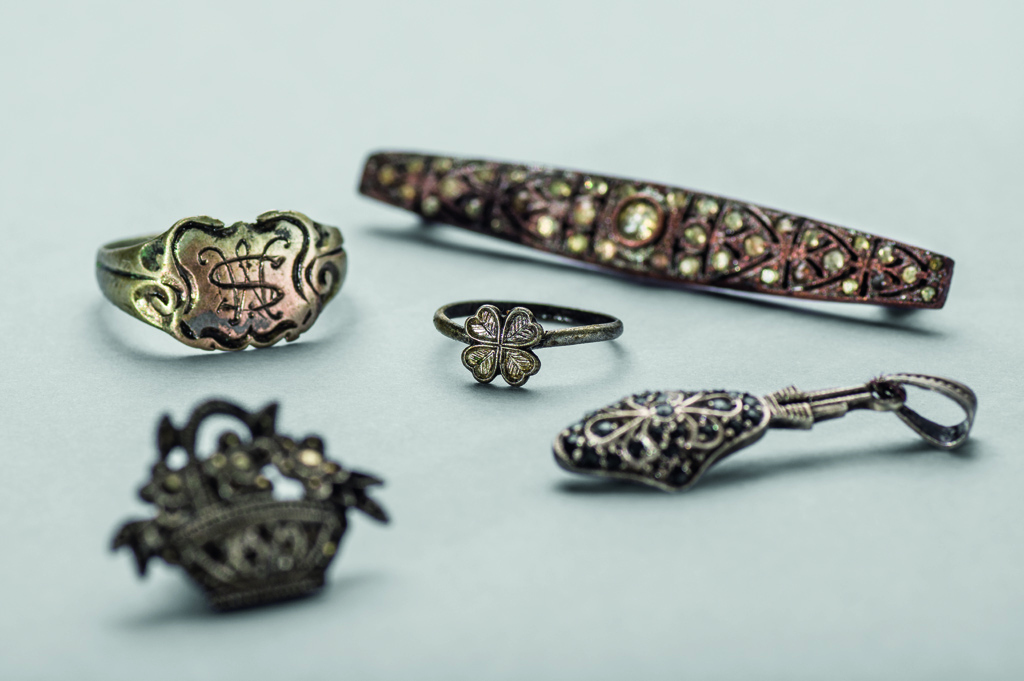
Archaeological Walk: The History of the Holocaust Revealed in Objects

Archaeological Walk: The History of the Holocaust Revealed in Objects
The German SS-Sonderkommando Sobibor death camp operated from May 1942 until October 1943. During its 18 months of operation, nearly 180,000 Jewish women, men, and children were murdered there. Today, the site serves as both a museum and memorial, with the exhibition in the museum building honoring the memory of the camp’s victims and recounting their tragic history. Archaeological research conducted over the course of nearly twenty years has significantly deepened our understanding of how the camp functioned.

Important information

  • Event date:14.06.2026 12:00
  • Place:Museum and Memorial in Sobibór
The event is intended for participants aged 14 and older. Participation is free of charge and does not require prior registration. Please note that the event will be held in Polish.
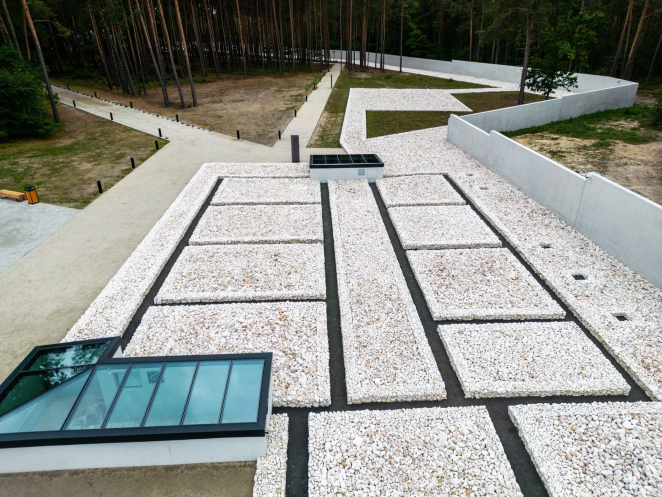

On the grounds of the former death camp, visitors can see, among other remains, the foundations of the gas chambers, the site of the prisoners’ uprising, and the reconstructed outlines of the barber barracks and the Sonderkommando barrack. Archaeological discoveries not only help us better understand the structure and functioning of the camp, but also reveal the tragic nature of the events that occurred there.

SCHEDULE

🕒 12:00–12:30 – Welcome and introduction for participants in the educational room, followed by a screening of the programme "Sobibor: The History of the Holocaust Hidden in Objects."

🕒 12:30–14:00 – Guided tour of the permanent exhibition and an archaeological walk around the grounds of the former German death camp in Sobibor.

The programme will include a presentation of the most significant archaeological discoveries made at the Sobibor Memorial Site, a discussion of the research results and their importance, as well as an overview of key artefacts uncovered during the excavations.

Please note that the event will be held in Polish.