SS-Sonderkommando Sobibor29 October 2020
29 October 2020
Permanent exhibition

German death camp 1942–1943


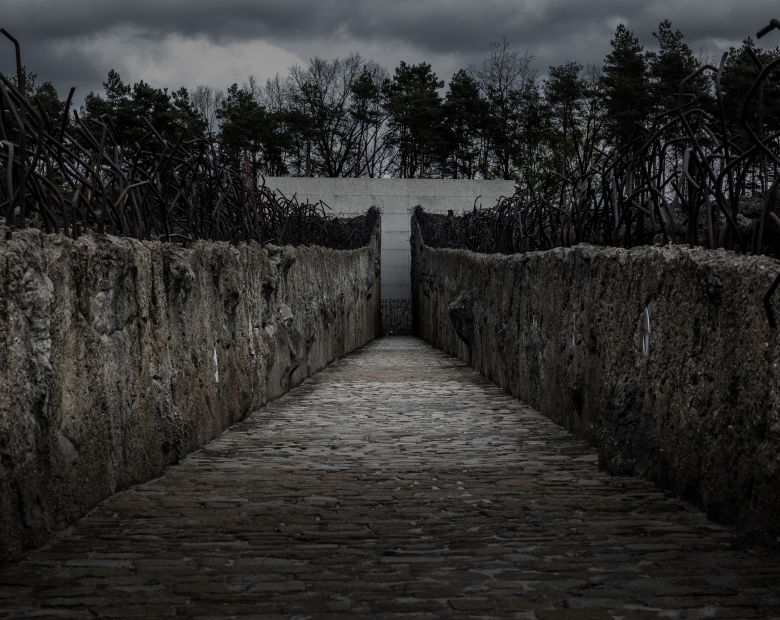
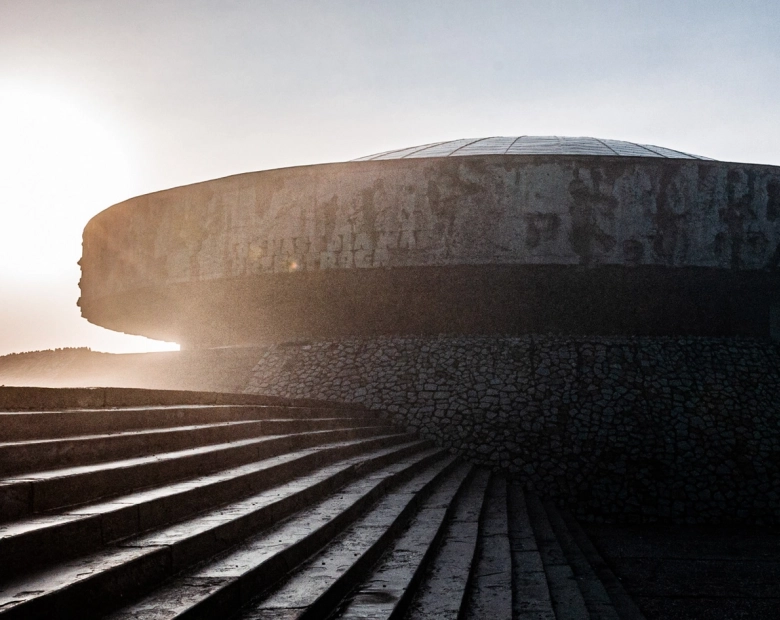
The Museum and Memorial in Sobibór commemorates the victims murdered in the German Nazi extermination camp between May 1942 and October 1943. Its operation was brought to a halt by a prisoner uprising, which was one of the most significant acts of Jewish resistance against the Holocaust. The Museum also continues the mission of survivors embodied in the words of the uprising co-leader Alexander Pechersky: “Those of you who survive should bear witness to this. Let the world know what happened here.”


Here you can find articles about the history of the camps, personal stories of deportees, and more information about the Museum collections.

The Death Camp in a Survivor’s Account

The fate of the Jewish Kral family from Vienna

from the Sobibór collection

Youth from Halle Commemorated the Victims Deported to Sobibór.

So that the world knows. So that memory endures.
We would like to remind you that on Thursday, June 4, the Museum and Memorial in Sobibór will be closed for visitors due to the Corpus Christi holiday, which is a public holiday in Poland.
The Museum and Memorial Site in Sobibor is closed to visitors on all Mondays and the following holidays: 1 January (New Year’s Day), 6 January (Epiphany), Easter, Corpus Christi, 1 November, 11 November, and from 24 to 31 December.